A BMW wheel fitment starts with the exact car, not a forum shortcut or a number copied from another chassis. The badge on the hood is not enough. Model year, chassis generation, drivetrain, brakes, suspension, tire plan and the way the car is used all shape the room available around the wheel. A setup that fits one 3 Series, M car or X model can be wrong for another, even when the wheels look nearly identical online.
The good news is that the process is easy to organize. Treat every decision as part of one wheel-and-tire package: mounting, brake clearance, wheel position, tire clearance, load and installation all need an answer before style and finish become final. BMW owner guidance makes the same point, warning that wheel and tire combinations that look identical on paper can still affect clearance and vehicle systems. Use this seven-step check before buying, adapting or commissioning a BMW wheel set.
1. Identify the exact BMW before comparing wheel specs
Start with the year, model, trim and drivetrain. Add the factory wheel package, brake option and any changes to the suspension, bodywork or brakes. This is not admin work. It is the information that tells a fitment specialist which hub, brake envelope and factory tire combinations the car began with.
Do not use “BMW fitment” as a specification. BMW has used different mounting standards across generations, and a model can have several factory wheel packages. A later chassis may differ from an earlier version of the same name. An M model, xDrive version or factory performance brake package can also change the questions that need to be answered. BMW’s wheel-and-tire guidance recommends using approved combinations for the particular vehicle because nominally similar dimensions can still create contact or system issues.
Make a short brief before you shop: the VIN-decoded model details, current wheel and tire sizes, brake information, ride height, alignment changes and a photo of the car at rest. It saves time and prevents the common mistake of discussing an aggressive stance before anyone knows what has changed underneath the car.
2. Confirm the mounting interface, not just the bolt pattern
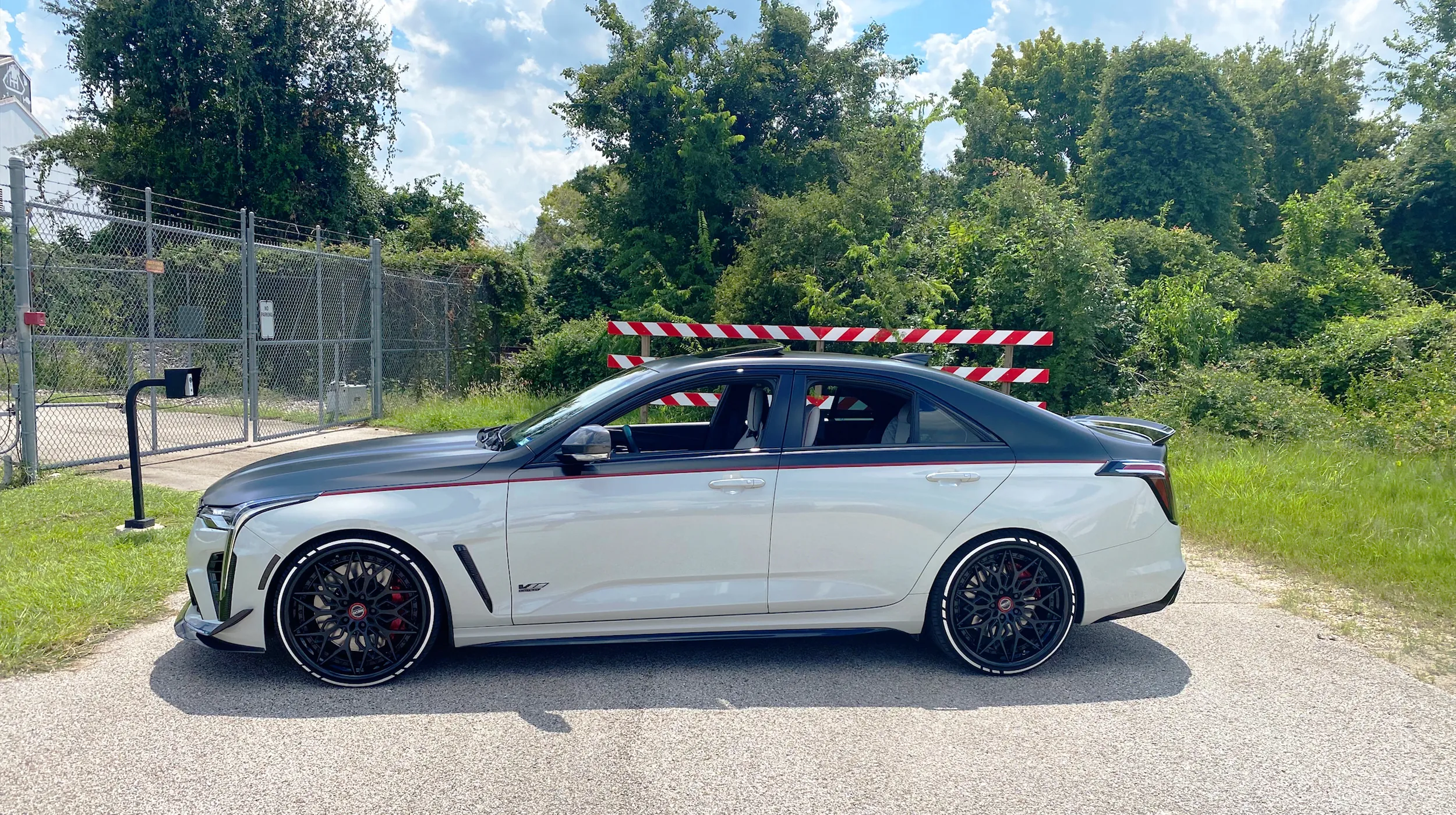
Mounting begins with the bolt pattern, but it does not end there. The center bore must clear and correctly locate on the hub, while the bolts or nuts must have the proper thread, length and seat shape. A wheel can share a bolt pattern with the BMW and still be unsuitable because the center bore is too small, the hardware seat is wrong or the mounting face cannot sit flush.
Center bore deserves more attention than it gets. A bore that is too small is a hard stop. A larger bore may require a correct hub-centric solution, depending on the complete wheel and vehicle arrangement. It is not an excuse to force a wheel to fit. REVO’s center-bore guide explains the distinction, while the bolt-pattern guide helps when you are identifying an existing wheel.
Before tires are mounted, the wheel should seat flat against a clean hub face. Corrosion, clips, debris, the wrong hardware or a cap flange can keep it from doing so. That is a fitment failure, not something torque will cure. The wheel must be able to mount as designed before the rest of the package is evaluated.
3. Choose tire diameter, wheel diameter and width together
Wheel diameter changes the tire bead-seat diameter and the radial room inside the barrel. Wheel width changes the tire’s shape and the inner and outer position of the assembly. Tire size completes the picture. None of the three can be carried over casually from a different BMW or a different wheel width.
A larger diameter often means a shorter sidewall if the aim is to keep the overall rolling diameter close to the intended range. A wider wheel requires a tire that sits within the tire maker’s approved rim-width range. Those choices affect ride quality, wheel protection, steering response and clearance, as well as the visual proportion of the car.
Use REVO’s wheel size and tire size guide to map those relationships, then confirm the actual tire’s specifications rather than relying on a size label alone. Two tires with the same advertised size can have different section widths and shoulder shapes, which matters when the clearance is tight.
4. Use offset and backspacing to place the wheel
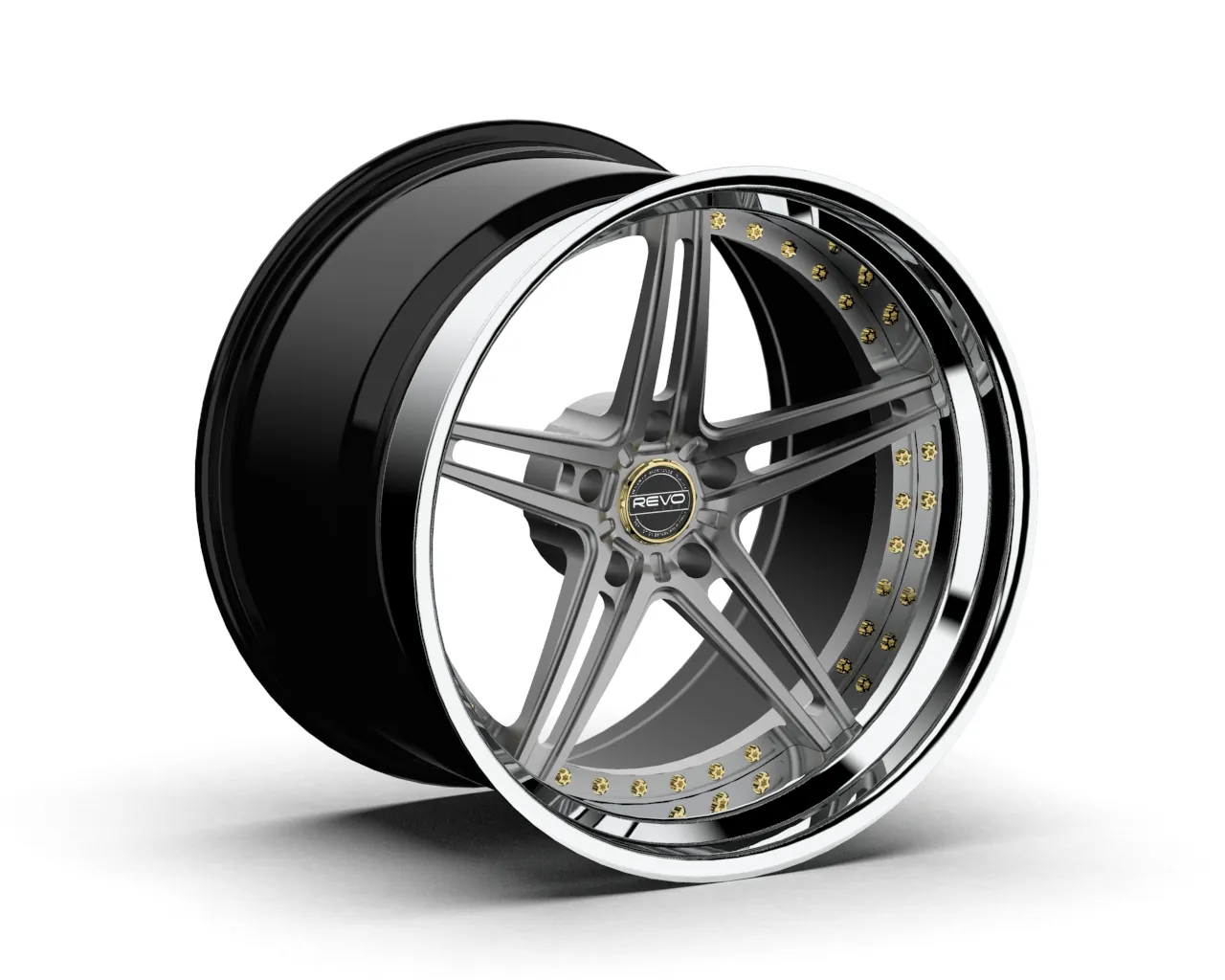
Offset, often marked ET, describes where the wheel mounting face sits in relation to the wheel centerline. Backspacing describes the distance from the inboard wheel edge to that mounting face. Both are useful, but only when the wheel width is included. An offset that clears on an 8.5-inch wheel can sit dramatically differently on a 10-inch wheel.
More positive offset generally moves the wheel inward. Less positive offset moves it outward. Too much inward movement can reduce room around the strut, spring perch, control arm or brake hardware. Too much outward movement can put the tire closer to the fender, bumper liner and bodywork as the suspension moves. The right answer is the one that works through the entire travel range, not just the one that looks flush while parked.
Compare a proposed setup against a known setup with REVO’s offset and backspacing calculator. It translates a width and offset change into inner and outer movement. Then use the offset versus backspacing guide to understand what the numbers cannot show: a specific caliper, a coilover adjustment collar or a fender-liner detail.
5. Check brake clearance by wheel profile
Brake clearance has two dimensions. The wheel barrel needs enough radial room around the rotor and caliper. The face and spoke profile need enough lateral room for the caliper body. Diameter alone only speaks to part of the first question. Two 20-inch wheels can have completely different spoke clearance.
This matters on BMWs with factory performance brakes, carbon-ceramic systems or aftermarket upgrades. The wheel profile must be checked against the exact brake package, ideally before tires are mounted. Tire Rack’s brake-clearance overview similarly notes that wheel diameter alone does not establish caliper clearance.
Do not solve unknown contact by immediately reaching for a spacer or machining a wheel. A spacer changes the wheel position, hardware requirements and the clearance conversation elsewhere. Begin with the brake dimensions, the proposed wheel drawing or template and the full target fitment.
6. Treat xDrive, staggered fitment and tire matching as one system
A staggered BMW setup can look right and can be appropriate for a car that supports it. It also asks for more care because front and rear wheel widths, offsets and tire sizes are deliberately different. The important question is not whether a staggered setup is fashionable. It is whether the proposed tire combination belongs on that exact vehicle.
For xDrive models, start with BMW’s vehicle-specific guidance and the tire maker’s data. Keep the front and rear plan deliberate rather than mixing tire models, constructions or worn and new tires without checking the consequences. BMW’s manuals repeatedly stress using suitable wheel-and-tire combinations and matching tread configuration to preserve handling and system operation.
The same discipline applies to a square setup. Four matching wheels simplify rotation potential, but they still need the right width, offset, tire capacity and brake profile. Square or staggered is a result of the vehicle and goal, not a preset answer for every BMW.
7. Finish with load, hardware and real-world clearance checks
Before the order is final, confirm the wheel’s exact load rating for the vehicle and intended use. Check the tire load index, speed rating and approved rim-width range. Then confirm bolts or nuts, seat type and torque specification for the specific BMW and wheel. The wheel load-rating guide covers the axle-based comparison that belongs here.
Clearance must be checked in motion, not only at ride height. Look at full steering lock, suspension compression and the tire’s path near the fender, liner and suspension. Tire shape, lowered ride height, alignment settings, spacers and brake upgrades can each turn a parked clearance into a rubbing problem on the road.
Once the wheel is installed, inspect the mounting faces, start fasteners by hand and follow the vehicle manufacturer’s torque procedure. A vibration, new rubbing sound or pull is a reason to stop and inspect the complete installation. It is not a detail to ignore because the wheels looked correct in the driveway.
How REVO builds a BMW wheel specification
REVO starts with the BMW in front of you: its exact model, brakes, ride height, tire direction and intended use. From there, wheel diameter, width, offset, profile, construction and finish are resolved as one connected decision. That creates room to pursue a clean street setup, a deep-lip visual, a motorsport-influenced stance or a more focused performance brief without treating fitment as an afterthought.
Explore REVO’s BMW forged wheels page for the vehicle-specific approach, browse the wheel collection for design direction and send the full brief through the fitment quote form when you are ready. The goal is a set that looks made for the BMW because the measurements, brakes, tires and visual direction were considered together.
Frequently asked questions
Do all BMWs use the same bolt pattern and center bore?
No. BMW fitment varies by model, generation, drivetrain and brake package. Older and newer BMW platforms can use different bolt patterns, center bores, hardware and wheel dimensions. Start with the exact year, model, trim and factory options instead of a brand-wide specification.
Can I use a wider wheel on my BMW?
Sometimes, but width changes the tire shape and shifts the inner and outer edges of the assembly. Offset, tire size, suspension height, alignment, fender room and brake clearance must be reviewed together before a wider wheel is specified.
Do BMW xDrive models need special tire matching?
They deserve particular care. Follow BMW’s guidance for the exact vehicle and confirm the front and rear tire plan with a qualified specialist. A staggered setup can be appropriate when the vehicle supports it, but the tire dimensions must work as a complete system.
Will a larger wheel clear bigger BMW brakes?
Not automatically. Diameter affects barrel clearance, while the spoke profile and mounting geometry determine caliper clearance. Two wheels with the same diameter can clear the same brake package very differently.
What should I send for a BMW wheel quote?
Share the year, model, trim, drivetrain, brake package, suspension changes, current wheel and tire sizes, preferred tire plan, photos and the stance or finish you want. Those details make a vehicle-specific specification possible.