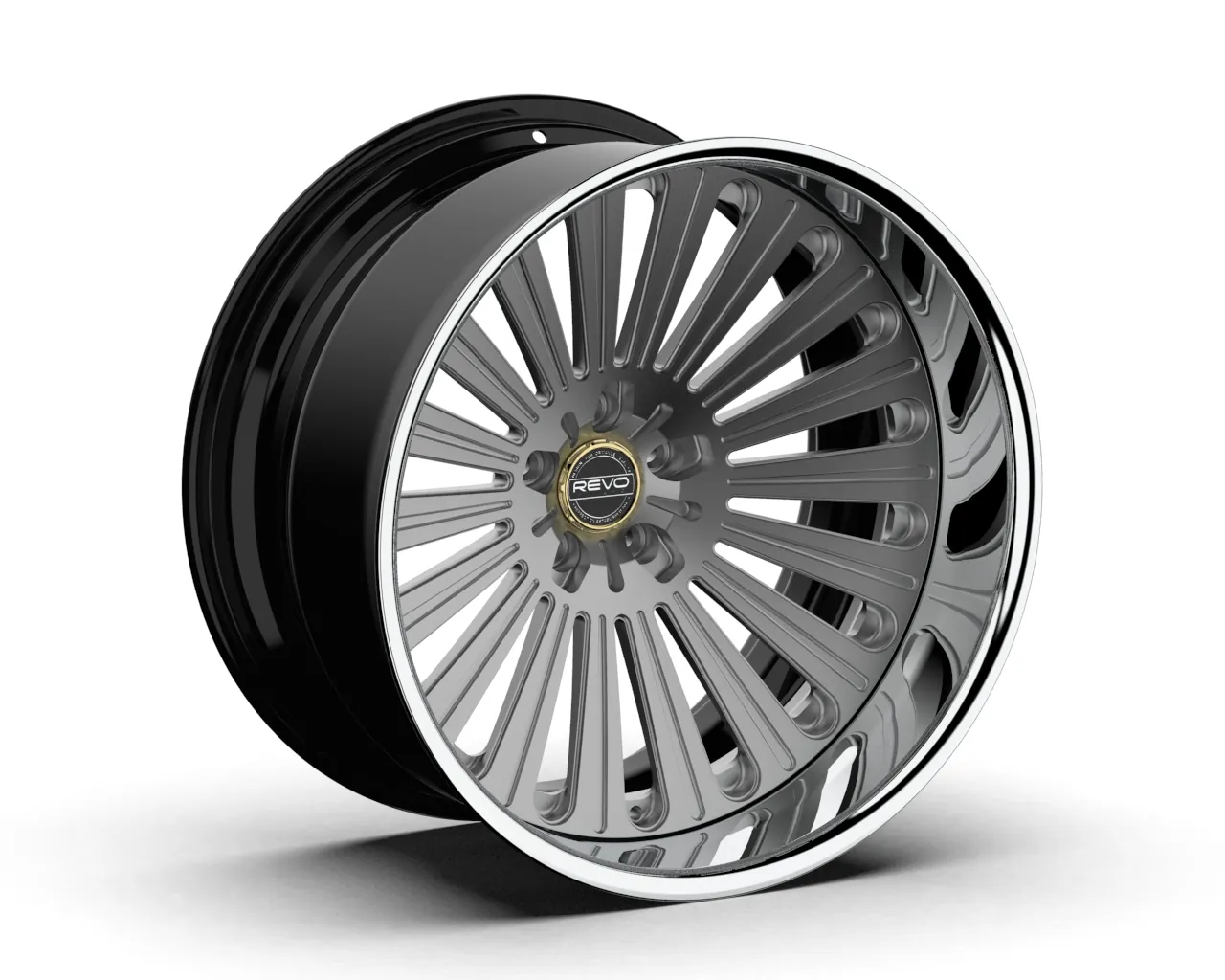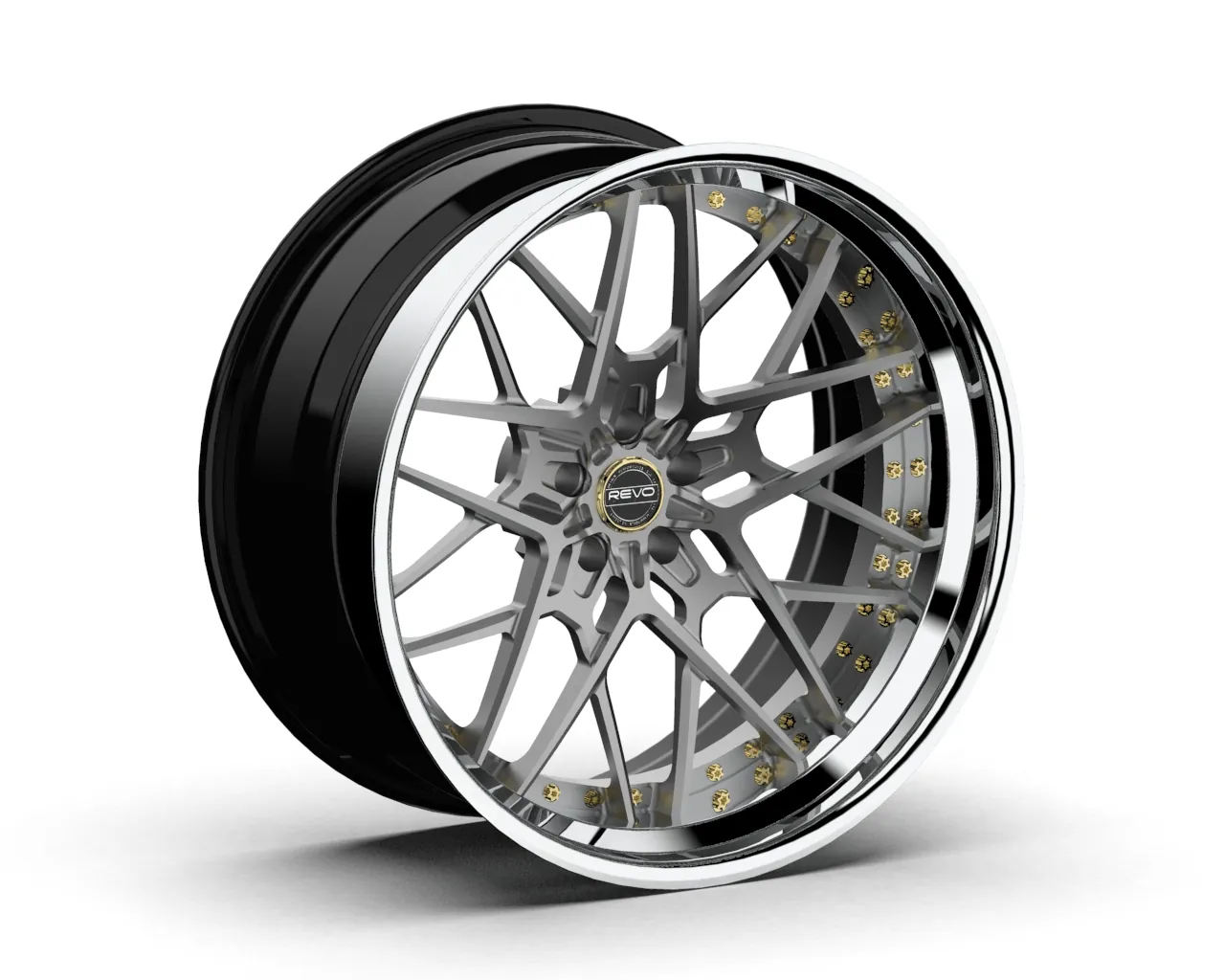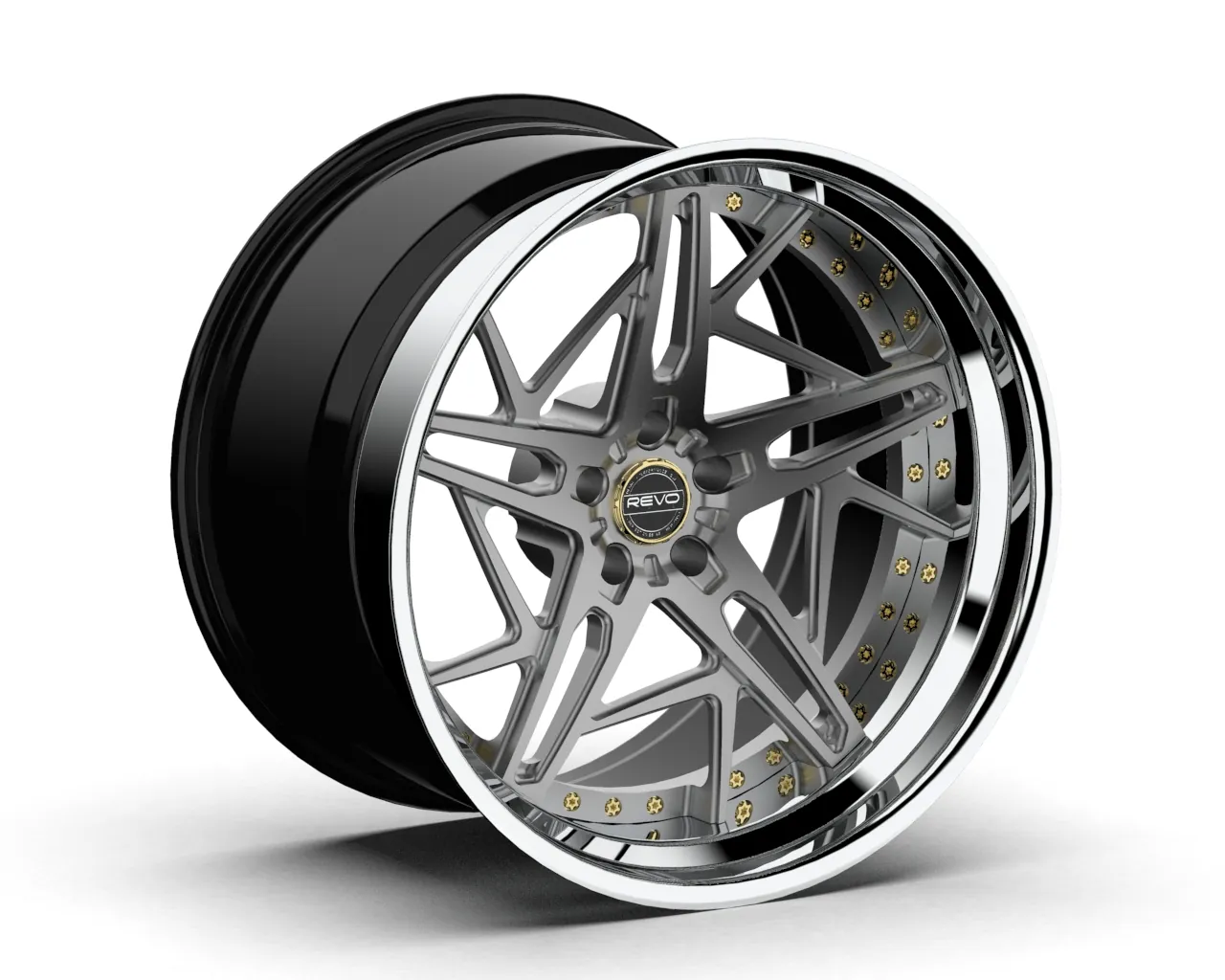
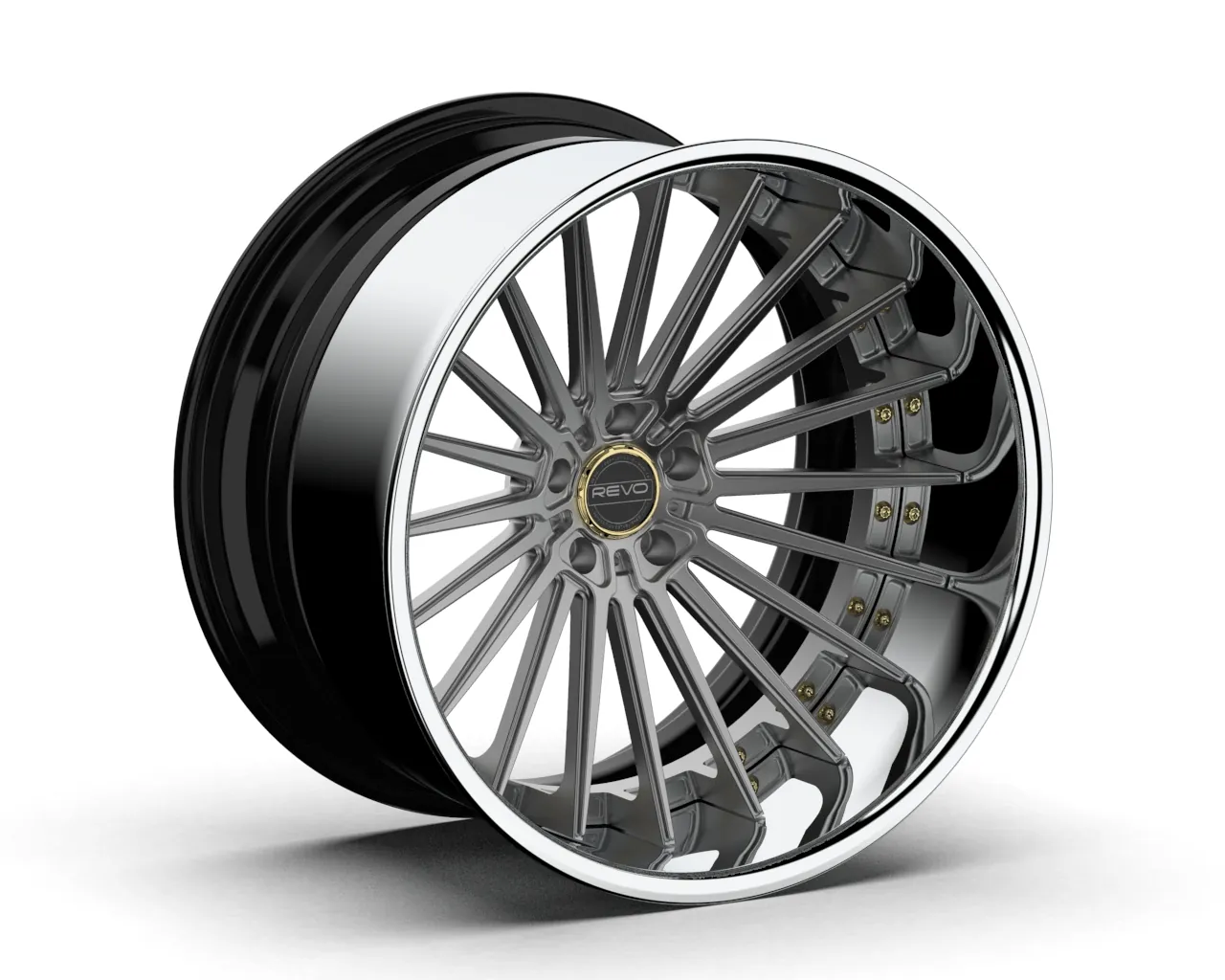
Wheel offset versus backspacing is not a debate over two competing specifications. They are two ways to describe where a wheel sits on the vehicle. The confusion starts because one number is usually listed in millimeters, the other is often listed in inches, and neither tells the full fitment story without wheel width and tire size beside it.
That distinction matters long before a wheel touches the car. The same offset on a wider wheel changes both inner and outer clearance. The same backspacing on a wider wheel can produce a very different amount of tire poke. A setup that looks right in a parked photo may still rub at full lock, under compression or with the vehicle loaded.
Use this guide to understand what each measurement means, how the numbers relate and which questions keep a custom wheel decision grounded in the actual vehicle.
What wheel offset measures
Wheel offset is the distance between the hub mounting surface and the wheel centerline. It is normally expressed in millimeters. Tire Rack’s wheel offset explainer uses the same positive, zero and negative convention. A positive number means the mounting surface sits toward the outside face of the wheel. With wheel width held constant, that brings the wheel farther in toward the suspension. A negative number places the mounting surface toward the inner side of the wheel and moves the wheel outward.
Offset is common on modern wheel specification sheets because millimeters make small changes easy to compare. A 10 mm change is meaningful when clearance is already tight. It can alter the space around a brake caliper or coilover spring on the inside, and it can alter how close the tire sits to the fender on the outside.
RealTruck’s recent offset and backspacing overview illustrates the basic convention: positive, zero and negative offset all refer to the mounting surface’s position relative to the centerline, not to a universal amount of fender clearance.
What backspacing measures
Backspacing measures from the wheel’s hub mounting surface to the inner rear lip. It is commonly stated in inches, especially in truck, off-road and older domestic-wheel references. Backspacing is useful because it points directly toward the side of the wheel that has to live around brakes, suspension arms, steering parts and the inner wheel well.
More backspacing places more of the wheel toward the vehicle. Less backspacing moves more of the wheel outward. That sounds straightforward until wheel width changes. A 9-inch-wide wheel and an 11-inch-wide wheel can share the same backspacing, but the wider wheel still reaches farther toward the fender because it has more width on the outside of the mounting surface.
That is why backspacing should be read as part of a complete specification. It is an excellent inner-clearance reference, but it is not a shortcut around knowing the wheel width, tire section width and the vehicle’s available room.
Offset and backspacing describe the same mounting position from different directions
The simplest way to remember the difference is the reference point. Offset starts at the wheel centerline. Backspacing starts at the inner lip. Both describe the location of the mounting surface, but they make different fitment questions easier to answer.
- Use offset to compare how modern wheel specifications move a wheel in or out, especially when wheel width stays the same.
- Use backspacing to picture the room needed between the mounting surface and inner wheel lip.
- Use both measurements with the full width of the actual wheel, not only the catalog width stamped on a box.
For a bare wheel measured lip to lip, the relationship is straightforward: offset equals backspacing minus half of the measured overall wheel width. Keep the measurement in one unit while calculating. If you begin in inches, convert the final difference to millimeters by multiplying by 25.4. Discount Tire’s offset and backspacing guide shows why both the centerline and the inner wheel edge matter when comparing specifications.
The common mistake is using the nominal wheel width as though it were the full outer-lip-to-outer-lip width. A wheel sold as 19x9.5 is measured at the bead seats, not necessarily across the outside of its lips. Measure the wheel you are comparing or use a builder’s confirmed specification. A few millimeters matter when the goal is a clean, repeatable fitment.
Why wheel width changes the answer
Offset becomes misleading when it is separated from wheel width. Add one inch of wheel width while keeping the same offset, and approximately half of that added width moves toward the suspension while the other half moves toward the fender. The wheel can now rub even though the offset number has not changed at all.
For example, moving from a 9-inch wheel to a 10-inch wheel adds about 25.4 mm of total width. With the offset unchanged, roughly 12.7 mm is added on each side of the centerline. A change in offset can rebalance that added width inward or outward, but it cannot make the extra width disappear. The tire must be considered too, because shoulder shape varies across tire models even at the same stated size.
This is also why copying a wheel specification from another build can be risky. The cars may share a chassis but have different brakes, suspension, ride height, alignment, tire size or fender treatment. A reference photo is valuable for proportion and visual direction. It is not a clearance report.
Start with the inner clearance
When a wheel is being planned, the inner side is usually the first hard boundary. Check the brake caliper, rotor hat, strut, coilover spring, control arm, steering components and any brake lines or sensor wiring that sit near the wheel. A wheel can have enough barrel clearance and still lack spoke clearance around a large caliper, so the face profile matters as much as the inner lip position.
Backspacing helps make this question visible. Measure from the hub mounting face toward the closest potential obstruction, then leave an appropriate safety margin for movement, tire deflection and the realities of installation. Do not choose a wheel that only clears when the car is sitting still on a lift.
Offset remains part of the same decision. Too much positive offset can pull the wheel and tire into the suspension side. Too little positive offset, or a more negative value, pushes the package outward and can transfer the clearance problem to the fender, liner or bumper edge.
Then check the outer side through real movement
Fender clearance is not just a matter of whether the tire looks flush while parked. Turn the steering from lock to lock. Consider suspension compression under braking, bumps, passengers or cargo. A lowered street car, a truck with larger tires and a vehicle on air suspension all need the wheel and tire package checked through the range of movement it will actually see.
Outer clearance can be affected by tire diameter, tire section width, sidewall design, camber, ride height and bodywork. A wheel that appears to have room at the top of the fender may still touch the liner at full lock. A rear tire may clear at rest and contact the outer lip when the suspension compresses with passengers in the car.
That is the practical reason to keep offset and backspacing together. One measurement can explain where the wheel moved. The full package explains whether the vehicle can use that position without compromise.
Do not treat tire choice as an afterthought
A wheel cannot be specified responsibly without the tire plan. Tire diameter affects turning and vertical clearance. Tire width and shoulder shape affect the space near the fender and suspension. Load needs, intended use and inflation requirements still matter after the wheel design is finalized.
The National Highway Traffic Safety Administration’s tire guidance advises drivers to use the original tire size or another size recommended by the vehicle manufacturer, then follow the vehicle’s listed cold inflation pressure. A custom build may call for a different tire plan, but it should be a deliberate fitment decision with the vehicle’s use and clearances understood.
For a daily-driven car, that might mean preserving comfortable clearance at full lock and through normal suspension travel. For a track-focused build, it may mean planning around a specific tire and brake package. For a truck, it can include steering clearance, ride height, load needs and the way the vehicle will tow or carry weight. The answer is not one aggressive offset number. It is a wheel and tire package that belongs on the vehicle.
How spacers affect the equation
A spacer moves the wheel outward by the spacer’s thickness. In fitment terms, it reduces the effective offset by that same amount. A 10 mm spacer behind a +35 mm wheel creates an effective +25 mm position. That can be useful when the wheel is too close to a suspension component, but it also reduces outer fender clearance.
Spacers do not solve every problem. They do not create spoke clearance around a caliper if the wheel face is the obstruction. They do not change the wheel’s width, tire shape or overall diameter. They also add another piece to the mounting stack, so the correct approach depends on hub engagement, hardware, vehicle use and installation guidance.
Before using one as a last-minute fix, compare the full setup. The right wheel specification is usually the cleanest answer for a custom order because it lets the wheel face, barrel, width and position be designed together.
A practical fitment checklist before ordering
Good fitment starts with useful information, not an isolated offset number. Bring the same level of detail to a custom wheel conversation that you would bring to any other major vehicle change.
- Exact year, make, model and trim
- Current and planned wheel and tire sizes
- Brake upgrades, including caliper dimensions when available
- Suspension changes, ride height and alignment direction
- Body changes, fender work or wide-body modifications
- Intended use, from daily driving to track time, towing or show use
- Photos of the current car and reference images for the final stance
When you have an existing wheel that fits well, use it as a baseline. REVO’s wheel offset measurement guide walks through the process for finding the number accurately. Then compare any proposed width, offset and tire change against both the inner and outer edges of the package.
How REVO uses both numbers to build the right wheel
REVO does not start with a generic catalog size and hope the vehicle accepts it. The wheel choice begins with the car, the tire plan, brake clearance, suspension changes and the result the owner wants from the finished stance. Offset and backspacing are tools in that conversation, not the entire conversation.
Start with the REVO wheel collection to find a design direction, then compare the construction options in the custom wheel construction guide. A truck build may also need the tire, ride-height and clearance discussion covered in REVO’s forged truck wheels guide. For highly tailored projects, the three-piece versus one-piece wheel guide explains when construction opens up more fitment freedom.
When you are ready, use the fitment quote form to share the vehicle details. The more complete the starting picture, the easier it is to create a wheel package that clears cleanly, supports the tire and looks intentional from every angle.
Frequently asked questions
Is backspacing the same as wheel offset?
No. They describe the wheel mounting surface from different reference points. Offset compares the mounting surface with the wheel centerline, while backspacing measures from the mounting surface to the inner rear lip. With the complete wheel width, you can convert between them.
Does lower offset make a wheel stick out more?
With the same wheel width and tire, lowering a positive offset moves the wheel outward. But a wider wheel also adds material on both sides of the mounting surface, so width and offset must be considered together.
Which is more important, offset or backspacing?
Neither number wins on its own. Offset is useful when comparing modern wheel specifications in millimeters. Backspacing makes it easier to picture inner clearance around brakes and suspension. The right choice is the complete wheel and tire package for the vehicle.
Can a wheel spacer fix incorrect offset?
A spacer moves the wheel outward by its thickness, so it changes the effective position of the wheel. It can solve an inner-clearance problem while creating a fender-clearance problem. Treat it as a vehicle-specific fitment decision, not a universal correction.
What should I send with a custom wheel quote?
Share the exact year, make, model and trim, current or planned tire size, brake and suspension changes, intended use and photos of the stance you want. Those details make it possible to plan clearance, proportions and wheel position together.