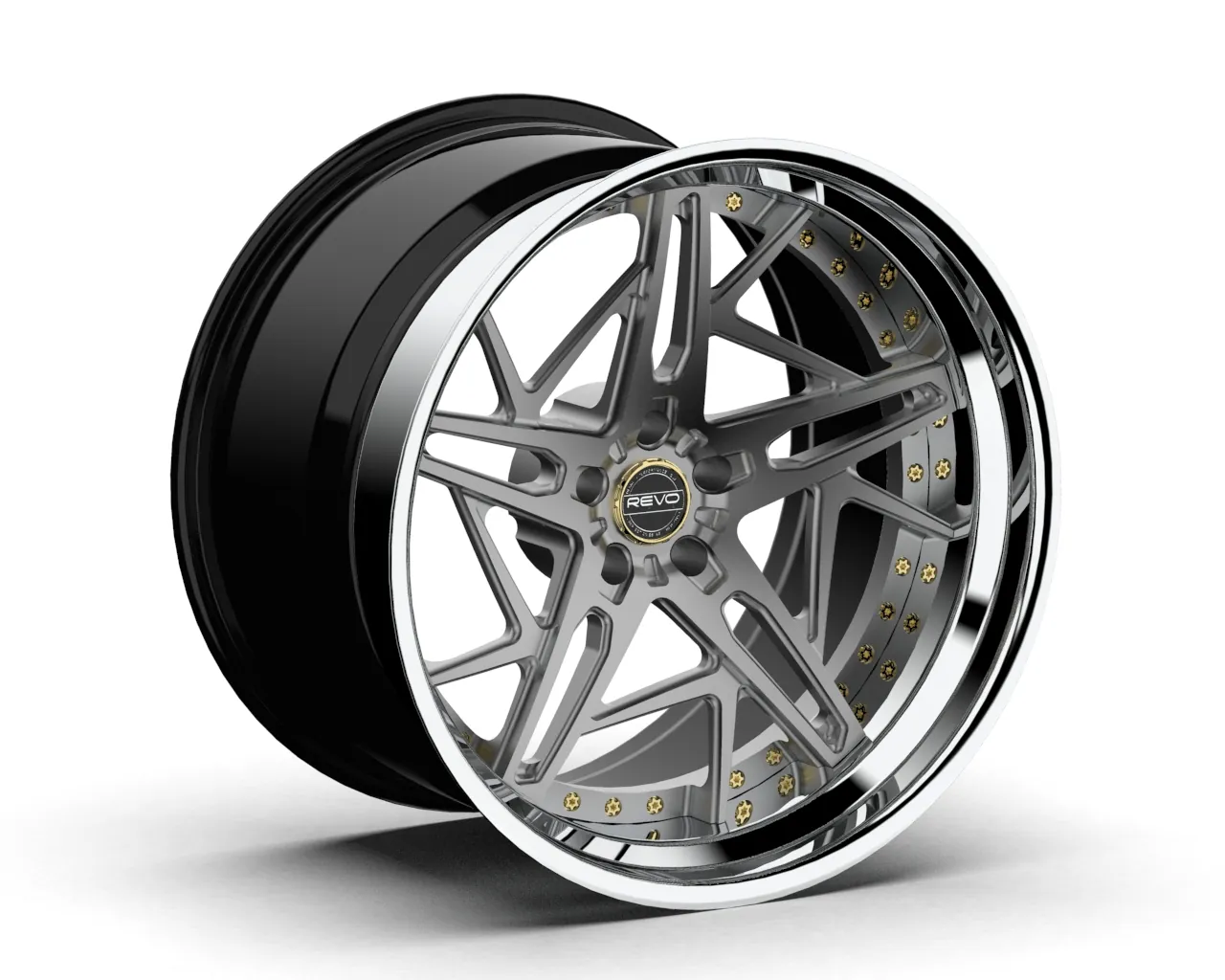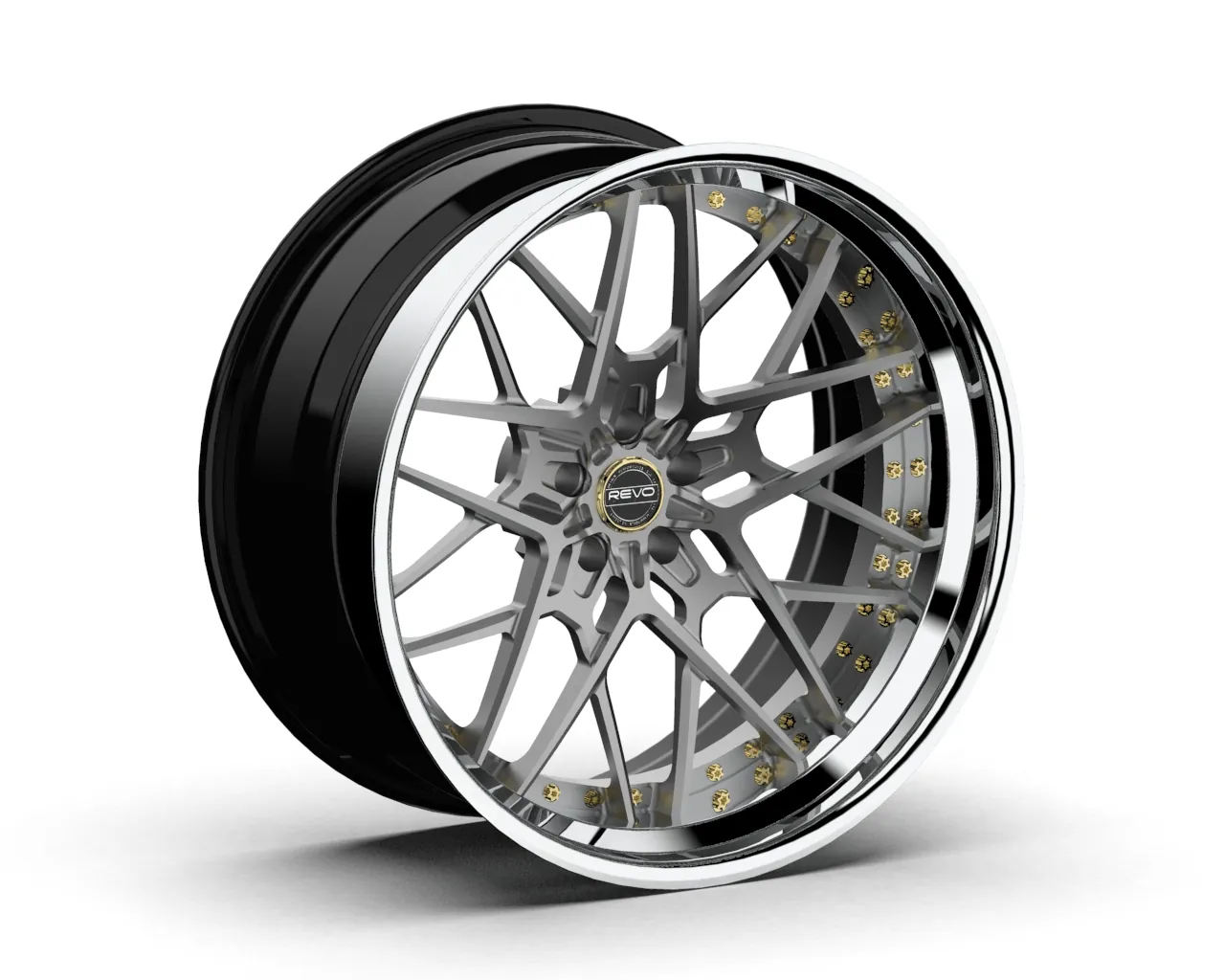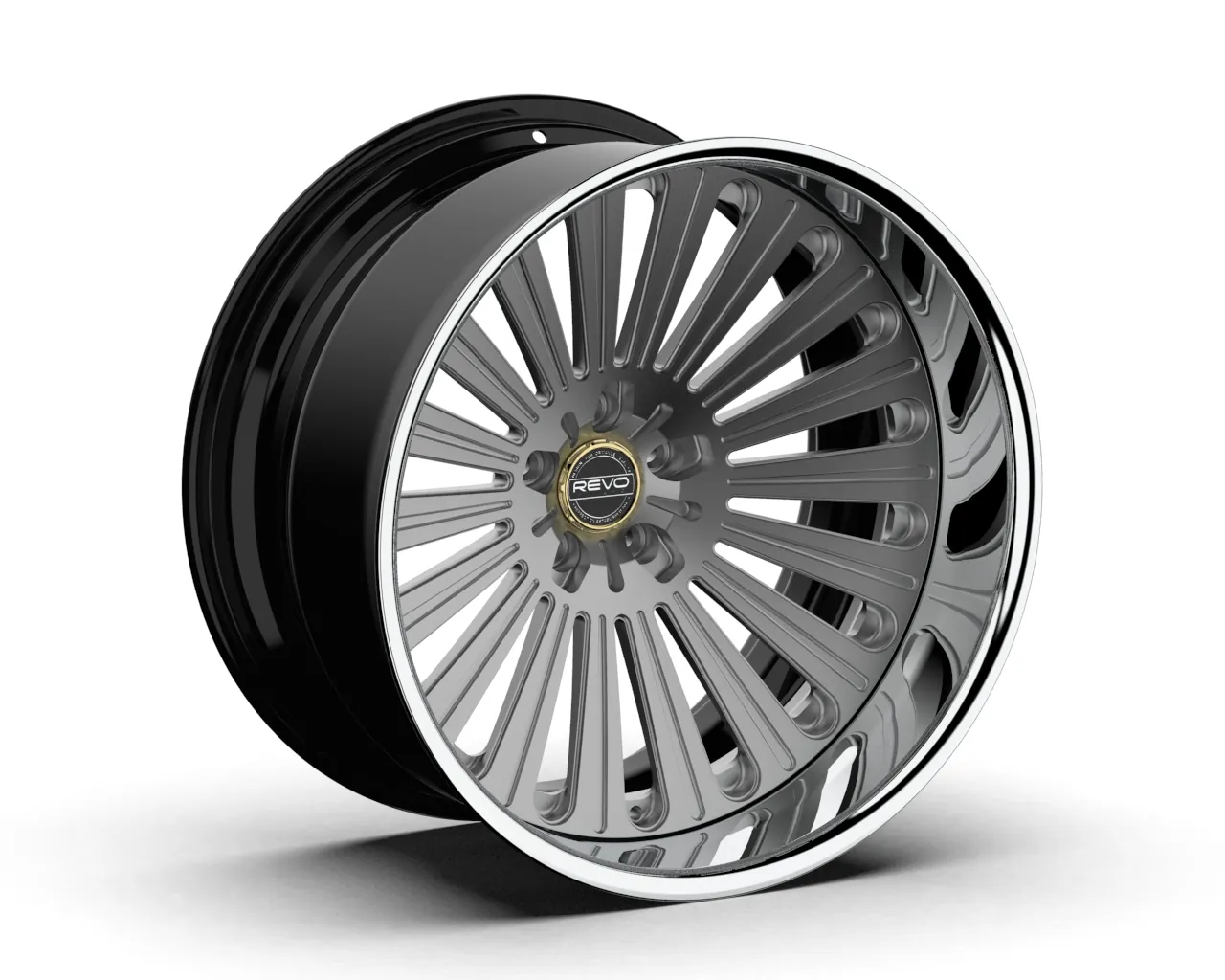
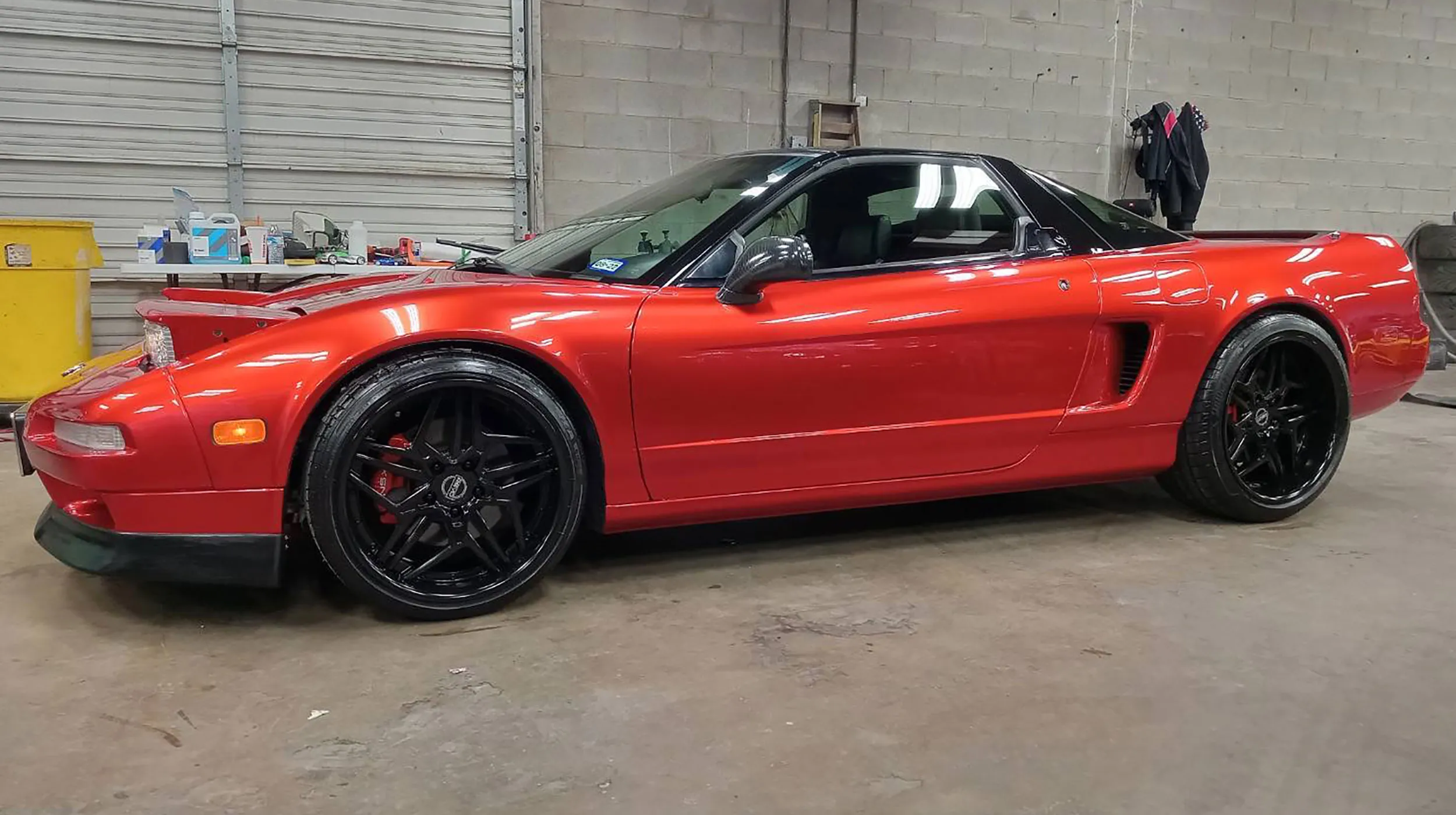
Forged and flow-formed wheels are often presented as a simple upgrade ladder: one is good, the other is better. That is too blunt to help with a real build. They are different manufacturing approaches that can serve different budgets, vehicles and goals. The right choice depends on the actual wheel, the car it will support and how you plan to use it.
Start by separating the label from the job. A wheel must clear the brakes, support the intended tire, fit the hub correctly and carry the loads the vehicle will see. After that, weight, finish, design freedom and cost can be judged in a way that leads to a better purchase instead of a more expensive guess.
The short answer
Flow-formed wheels start as cast blanks, then have their barrels shaped under heat and pressure while rotating. Fully forged wheels begin as solid material that is formed before it is machined into the final wheel. Flow forming can offer a meaningful step up from a basic cast wheel. Forging generally gives the builder more freedom to pursue a lower-weight, highly tailored design, but it is not a substitute for good engineering or correct fitment.
If you need a straightforward, quality wheel for a known street setup, a flow-formed option can be a sensible value. If the build needs a specific width, offset, brake profile, finish or visual proportion, custom forged construction gives REVO more room to shape the finished wheel around the vehicle.
| Question | Flow-formed | Forged |
|---|---|---|
| Where it starts | A cast blank with a worked barrel. | Solid material formed before machining. |
| Best fit | Known street fitments where value matters. | Builds needing tailored fitment, design or use. |
| Key check | Actual load rating and dimensions. | Actual load rating and full specification. |
What flow forming actually changes
Flow forming, sometimes called rotary forming or rim rolling, is not another name for full forging. The wheel begins as a casting. The barrel area is then heated and spun against rollers that stretch and shape it toward its final profile. The process changes the barrel after casting rather than forming the entire wheel from a billet.
A well-designed flow-formed wheel can use less material in the barrel than a conventional cast wheel while retaining the styling flexibility of a cast face. The European Aluminium wheel-manufacturing overview describes this as a specialized process that starts with low-pressure die casting and works the outer rim with heat, rotation and rollers.
That does not make every flow-formed wheel interchangeable. Diameter, width, spoke geometry, alloy, quality control and the load target still change the outcome. Compare an actual wheel against the needs of your car, not against a generic claim about its process.
What full forging changes
A fully forged wheel starts with solid aluminum material rather than a cast blank. The material is formed under substantial pressure, then machined into the final design. That route gives the designer a different starting point for balancing spoke shape, barrel profile, brake clearance and weight.
The advantage is not that every forged wheel is automatically perfect. Custom forging makes it practical to pursue a wheel that is specific to the car. A brake upgrade, lowered suspension, unusual tire plan or exact lip proportion can all change the right answer. When several of those details matter at once, a wheel designed around the complete package is more valuable than a broad catalog size.
Discount Tire’s construction comparison makes the useful distinction: construction affects the available tradeoffs, while the vehicle, driving style and budget decide what is appropriate.
Weight and strength: make a fair comparison
Lighter wheels can reduce unsprung and rotating mass, but no process label tells you an exact weight. A 20-inch wheel will not compare cleanly with an 18-inch wheel. A wide rear wheel with a deep lip has a different job from a narrow front wheel. Even two wheels with the same listed size can have different barrel profiles, spoke designs and brake-clearance requirements.
Compare like for like: same diameter, width, offset range, load requirement and intended use. Then ask what tire is going on the wheel. A few pounds saved in the wheel can be erased by changing to a much larger, heavier tire. The best package is a balanced one, not the one that wins a single specification line.
Fitment still decides the answer
Forged construction can support an ambitious wheel design. Flow forming can improve on a conventional cast barrel. Neither changes the basics of a proper installation. The wheel must have the right bolt pattern, center bore, mounting-seat interface, brake clearance and load suitability. It also needs enough clearance through steering movement and suspension travel.
Before choosing construction, gather the vehicle year, make, model and trim, plus tire size, brake changes, ride-height changes and intended use. REVO’s guides to measuring wheel offset, offset versus backspacing and wheel center bore show the dimensions that turn an attractive idea into a workable package.
When each choice makes sense
Flow-formed wheels are worth considering when the car has a familiar fitment, the visual direction is clear and the priority is a quality upgrade without a fully custom specification. They can make sense for daily drivers, weekend cars and many enthusiast builds where an established size and offset already work well. They can also leave room in the budget for the tires, alignment, brake service and installation that complete the package correctly.
Forged wheels earn their place when the vehicle needs a more exact answer. That may mean clearing a large brake package without losing the spoke design you want, setting width and offset around a lowered car, or balancing a light wheel with a finish and visual character that completes a high-end build. A custom forged wheel gives the builder more control over those linked decisions before the wheel is made.
What the price difference is paying for
A wheel price can hide several very different things. With a flow-formed wheel, the manufacturer is generally working from a repeatable cast design in established sizes. That can make production efficient and keep the final price within reach for more owners. It does not mean the wheel is an afterthought. A reputable maker still needs to control the casting, the forming process, finishing and final inspection.
With a custom forged wheel, much of the price is in the freedom to make the wheel specific. Material is formed, the design is machined and the final dimensions can be set around the actual vehicle. The wheel can be planned around the brake package, the required spoke clearance, the desired lip, the tire and the way the car sits. That is why two forged wheels can have very different prices, even when they look similar at a distance.
For a build with conventional dimensions, that extra freedom may not be necessary. For a build that is lowered, has changed brakes, carries an unusual tire, or needs a distinct stance without rubbing, it can be the difference between a wheel that works on paper and one that resolves the whole package. The right question is not whether forging is expensive. It is whether the build needs the options it creates.
Do not confuse flow-formed, rotary forged and fully forged
Wheel marketing uses several overlapping phrases. “Flow-formed,” “flow forged,” “rotary formed” and “rim rolled” commonly describe a process that works a cast barrel. The terms can vary by manufacturer, so it is reasonable to ask what the wheel began as and which part of it was formed. A fully forged wheel is a separate category because the starting material and the forming route are different.
This distinction matters when a shopper is comparing claims. A flow-formed wheel is not a lesser product simply because it is not fully forged. It can be the right solution for a fast street car or a familiar fitment. But it should not be sold as if it were identical to a custom forged wheel. Honest language helps the buyer decide based on the actual job instead of paying for a label they have not been given enough context to understand.
The same care applies to phrases such as “race inspired” or “performance wheel.” Ask about the wheel’s size, rated application and the vehicle it is intended for. A wheel’s construction is one part of the story. The finished dimensions and engineering are where that story becomes useful.
How construction affects design freedom
Spoke shape is not only visual. The route from the hub to the rim must leave room for the brake caliper, carry the wheel’s loads and create the face the owner wants to see. On a large-brake car, the desired concavity can conflict with caliper clearance. On a deep-lip build, the barrel and offset can conflict with inner suspension clearance. The wheel needs a solution that accounts for both.
An off-the-shelf flow-formed wheel can be a strong answer when a manufacturer already offers the right design and dimensions for the chassis. There is no prize for inventing a custom solution to a problem that does not exist. But when the fitment target is unusual, a forged wheel gives a builder more paths to create the needed shape without asking the car to accept a compromise elsewhere.
That is why wheel design should begin with measurements, not a photo. Reference images are useful for choosing a direction, whether you want a technical multi-spoke face, a classic lip or a more aggressive stance. They cannot tell you what sits behind the spokes, how much room the suspension needs or how the tire moves when the car is loaded. The final design should make the whole vehicle feel finished, not just make a parked photo look convincing.
Daily driving, track days and heavier vehicles
Daily driving asks for a wheel that suits imperfect pavement, changing weather, routine service and the tire you actually plan to run. A quality flow-formed wheel can be a practical choice here when the dimensions are established and the vehicle is not asking for a bespoke package. The more important investment may be correct tires, a careful installation and regular inspection.
A track-oriented car needs a more specific conversation. The wheel must support the target tire, brake temperatures, alignment and the repeated loads of the intended use. A fully forged wheel can be compelling when a lower mass or a custom brake-and-tire package helps the complete setup. It is still not a guarantee of a faster lap. Suspension setup, tire condition, driver skill and the rest of the car matter at least as much.
Trucks and SUVs add another layer. A wheel that looks right on a show build may not suit towing, payload, rough roads or the larger tire and suspension movement of an off-road vehicle. Use the real vehicle job to guide the specification. When load and use are serious, a credible wheel recommendation should become more careful, not more dramatic.
A better buying checklist
- Define the vehicle and use. Include brake, suspension and tire changes.
- Set the fitment target. Decide whether you need an established size or bespoke width, offset and brake profile.
- Compare complete wheels. Look at actual dimensions, weight and load suitability, not process names alone.
- Keep the tire in the decision. Tire size and sidewall shape change both the look and the clearances.
- Plan for ownership. Choose a finish, cleaning routine and tire setup that make sense for how the vehicle is actually used.
Make the decision in the right order
Start with what cannot change. The wheel must mount correctly, clear the brakes and suspension, support the tire and suit the use. Next, decide the visual target: conservative, flush, wide, period-correct, track-focused or something else. Then decide whether a standard offering can meet those requirements without forcing a compromise. If it can, a quality flow-formed wheel may be the most sensible answer.
It is worth being honest about priorities. Some owners want the best-looking result for a clean street car. Others are solving for brake clearance, tire width or repeated hard use. Some want a wheel that needs little thought after installation, while others are building a car where the exact lip and spoke profile are central to the project. A useful recommendation starts with those priorities instead of treating every buyer as though they are chasing the same outcome.
Ask for the details behind a recommendation. What diameter and width are proposed? What offset will put the tire where it needs to sit? How is brake clearance being confirmed? Does the suggested wheel suit the vehicle’s real loads? Those questions keep a comparison grounded in the finished assembly rather than a broad claim about material or manufacturing.
If the build needs dimensions or a brake profile that an off-the-shelf wheel cannot provide, that is the point where custom forging becomes practical rather than decorative. It allows the design and fitment to be considered together. The goal is not to make every car more complicated. It is to avoid spending money on a wheel that leaves the important details unresolved.
Finally, compare the complete package rather than buying one attribute in isolation. A wheel, tire, alignment and suspension setup all shape the way a vehicle looks and feels. The right construction supports that package. It should not become a status label that distracts from it.
How REVO approaches the decision
REVO focuses on custom forged wheels because the final specification can start with the car rather than a generic size chart. The vehicle, brakes, suspension, tire plan and intended use inform the width, offset, spoke profile and finish. That lets the practical details and the design direction work together instead of competing.
Bring the useful information to the conversation: vehicle year, make, model and trim, current brake package, suspension changes, tire size and the look you want to achieve. A clear photo helps show the direction, but the measurements and vehicle details decide whether the result will drive as well as it looks. That is the difference between choosing a wheel and specifying a set.
It also gives the conversation a clear sequence. Fitment comes before finish. Brake and tire clearance come before the final lip decision. Intended use comes before an ambitious size choice. Those steps do not make a custom wheel less personal. They protect the things that make it satisfying after the novelty of the first photo wears off: confident steering, usable clearance, a tire that works with the wheel and a proportion that suits the car from every angle.
Explore the REVO wheel collection for design direction, then use the construction guide to compare the available forged approaches. When you are ready to make the specification specific to your vehicle, share the details through the fitment quote form.
Frequently asked questions
Are flow-formed wheels forged wheels?
No. Flow forming starts with a cast blank, then works the barrel with heat, pressure and rotation. A fully forged wheel starts from solid material that is formed before machining. Both can be well-made, but they are different processes.
Are forged wheels always lighter?
Not automatically. Final weight depends on diameter, width, spoke design, barrel profile and engineering. Compare actual specifications for equivalent sizes rather than trusting a process label alone.
Are flow-formed wheels good for track use?
A properly engineered flow-formed wheel can suit many street-performance and occasional track applications. It still needs the correct load rating, size, tire pairing and clearance for the vehicle.
Why do forged wheels cost more?
Forged wheels typically require more material preparation, forming, machining and specification work. The value is the ability to build a wheel around the vehicle, brakes, tire plan and intended use.