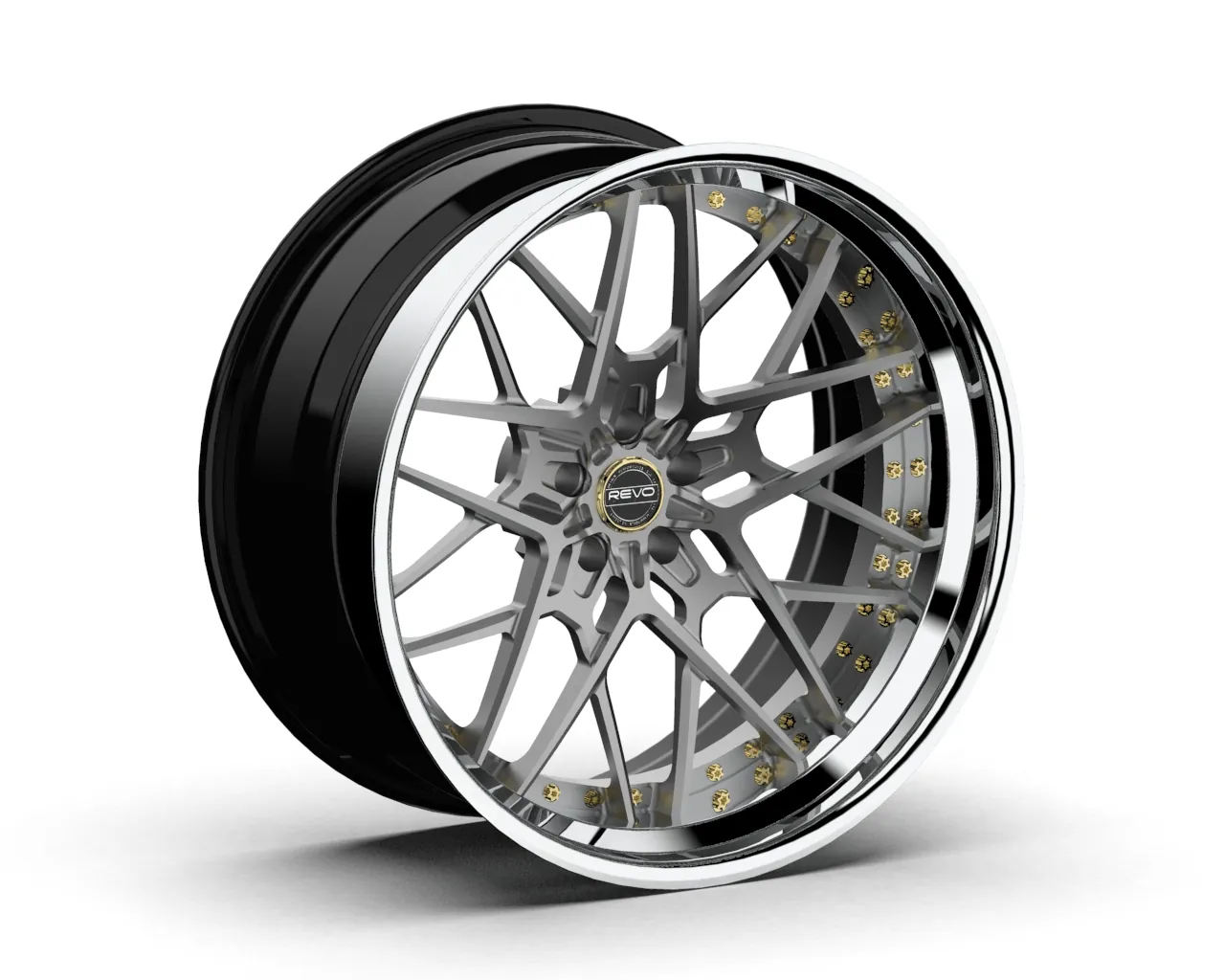
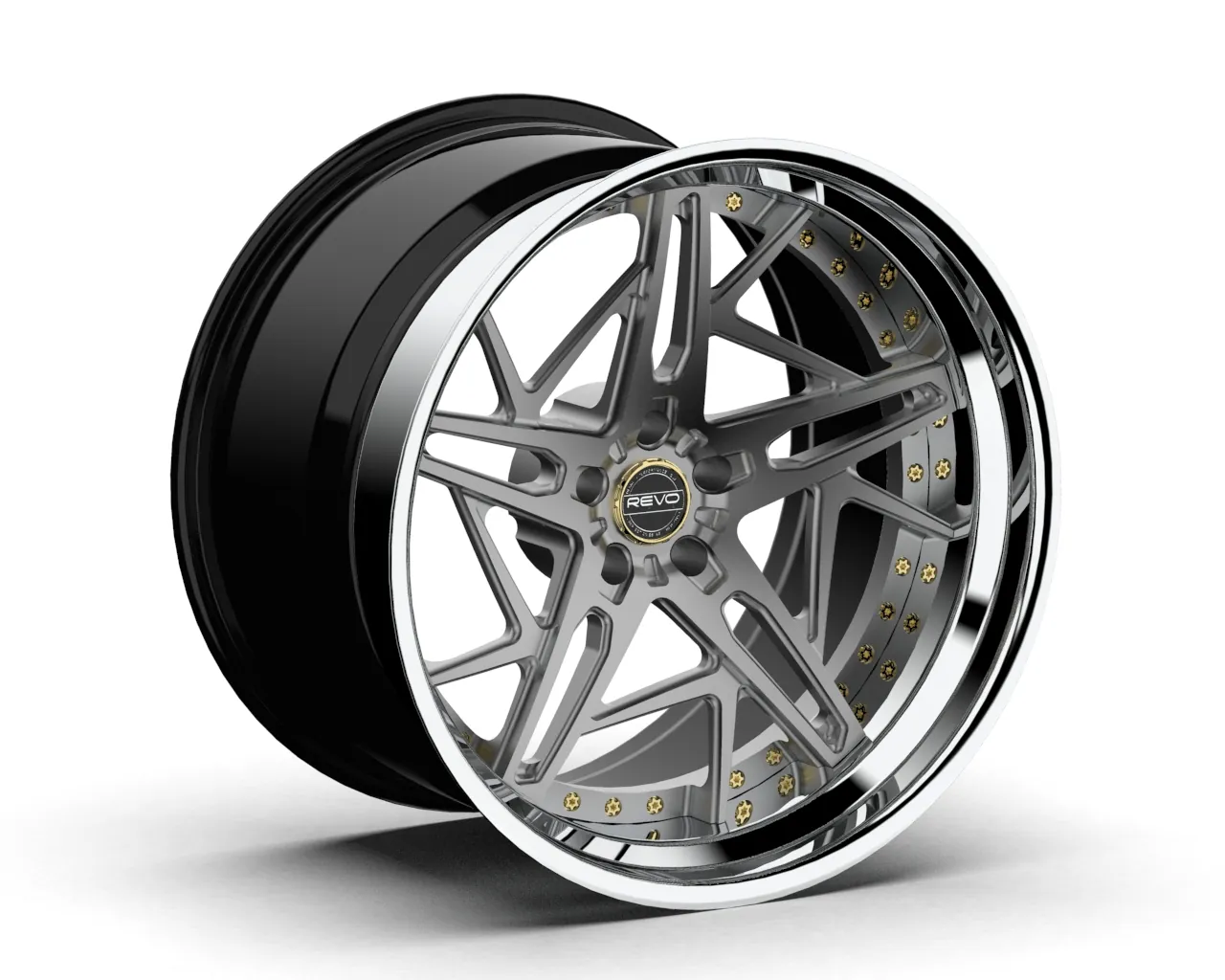
Forged versus cast wheels is one of the first questions that comes up when a build moves beyond factory fitment. The short answer is not that one is good and the other is bad. The useful answer is that they begin life differently, which changes the material options, engineering freedom and price of the finished wheel. What matters to you is how those differences show up on your car.
For some drivers, a well-made cast wheel is the sensible answer because the fitment is straightforward, the vehicle is used on the street and the budget needs to cover tires, suspension work or other parts of the build. For others, a forged wheel is worth the investment because the car needs a custom size, a demanding brake-clearance profile, a particular weight target or a finish and design that will not be found on a shelf.
The mistake is treating either label as a shortcut for quality. A wheel should be judged as a complete component: how it was engineered, what load it is meant to carry, how it fits the vehicle, which tire it supports and what the owner expects from it. This guide makes those decisions easier to sort before the conversation turns to spoke count and finish.
The difference starts before the wheel looks like a wheel
A cast wheel begins with molten aluminum poured into a mold. After the material cools, the casting is machined, finished and prepared for its intended vehicle application. Casting is a broad manufacturing family, and methods vary. Gravity casting, low-pressure casting and flow forming do not create the same result or sit in the same part of the market. It is more accurate to ask how a specific wheel is made than to assume all cast wheels are identical.
A forged wheel starts as a solid aluminum billet or forged blank. The material is shaped under very high pressure, then machined into the final wheel design. The finished part is not simply a cast design made from a different material. The manufacturing path gives the designer a different starting point for managing material thickness, spoke shape, barrel profile and the compromises between weight, stiffness and load.
That distinction explains why forged wheels are often associated with premium performance and custom applications. It does not mean a forged wheel has permission to ignore fitment, load rating or installation. It means the engineering conversation can begin from a process that is well suited to tightly tailored wheel specifications.
Strength is not a single number
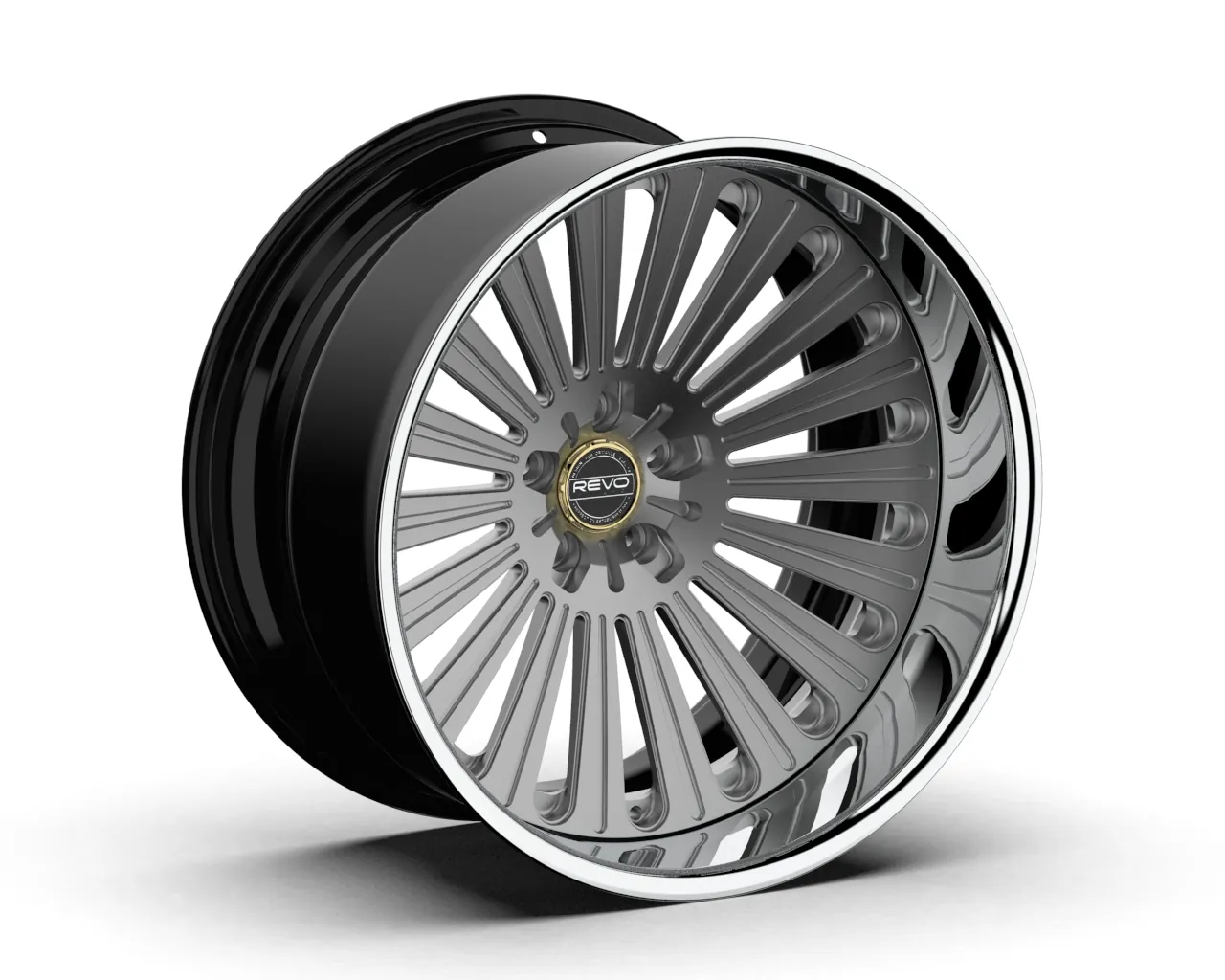
People often say forged wheels are stronger than cast wheels. The idea has merit, but the phrase is too loose to make a buying decision on its own. Strength can refer to resistance to bending, fatigue behavior over repeated loads, impact performance, stiffness around the spokes, or the way a wheel behaves at its rated load. Those are related, but they are not the same test.
The final wheel design controls a great deal. Diameter and width change leverage. A deep concave face may need a different spoke section than a flatter design. A heavy SUV, a truck used for towing and a lightweight coupe create very different load cases. A wheel with a large brake package to clear may need material in a different place from one designed around a small factory caliper.
Forging can give a manufacturer a useful material foundation for a strong, precisely engineered wheel. That is one reason it is attractive for high-performance and custom work. But the safest conclusion is not that every forged wheel wins every comparison. It is that a wheel should be specified for the actual vehicle and use, with a real load target and an honest fitment plan.
The tire label on the vehicle is a helpful reality check. The National Highway Traffic Safety Administration's tire guidance explains why tire size, inflation and load information are safety decisions, not cosmetic details. Wheels belong in that same conversation. A dramatic stance is never worth a setup that rubs, overloads a component or makes the vehicle unpredictable.
Weight matters, but only when the comparison is fair
Wheel weight affects more than the number you see on a scale. Wheels, tires, brakes and part of the suspension make up unsprung mass, the portion of the vehicle that moves with the road rather than being supported by the springs. A lighter wheel can make it easier for the suspension to react, but the effect depends on the whole package. Tire weight, tire sidewall, damper setup, road surface and vehicle mass all remain part of the result.
A forged construction often allows an engineer to place material more deliberately, which can support lower weight without simply thinning every part of the wheel. That is why forged wheels are common on builds where the owner cares about crisp steering response, brake feel and the way the car recovers over rough pavement. The advantage is especially compelling when the wheel must also clear large brakes or take on a difficult fitment.
Still, do not compare a narrow forged 18-inch wheel with a wide cast 22-inch wheel and draw conclusions from the construction label. Compare like with like: similar diameter, width, load requirement and tire plan. A larger wheel may look more dramatic, but it can add weight through the wheel, tire and the changes required to make the package work.
For a street-driven car, the goal is rarely to chase the lightest theoretical number. The goal is to choose a wheel that gives the car the response, look and durability you want without giving away comfort or clearance. A good specification avoids a false choice between performance and common sense.
Fitment can matter more than construction
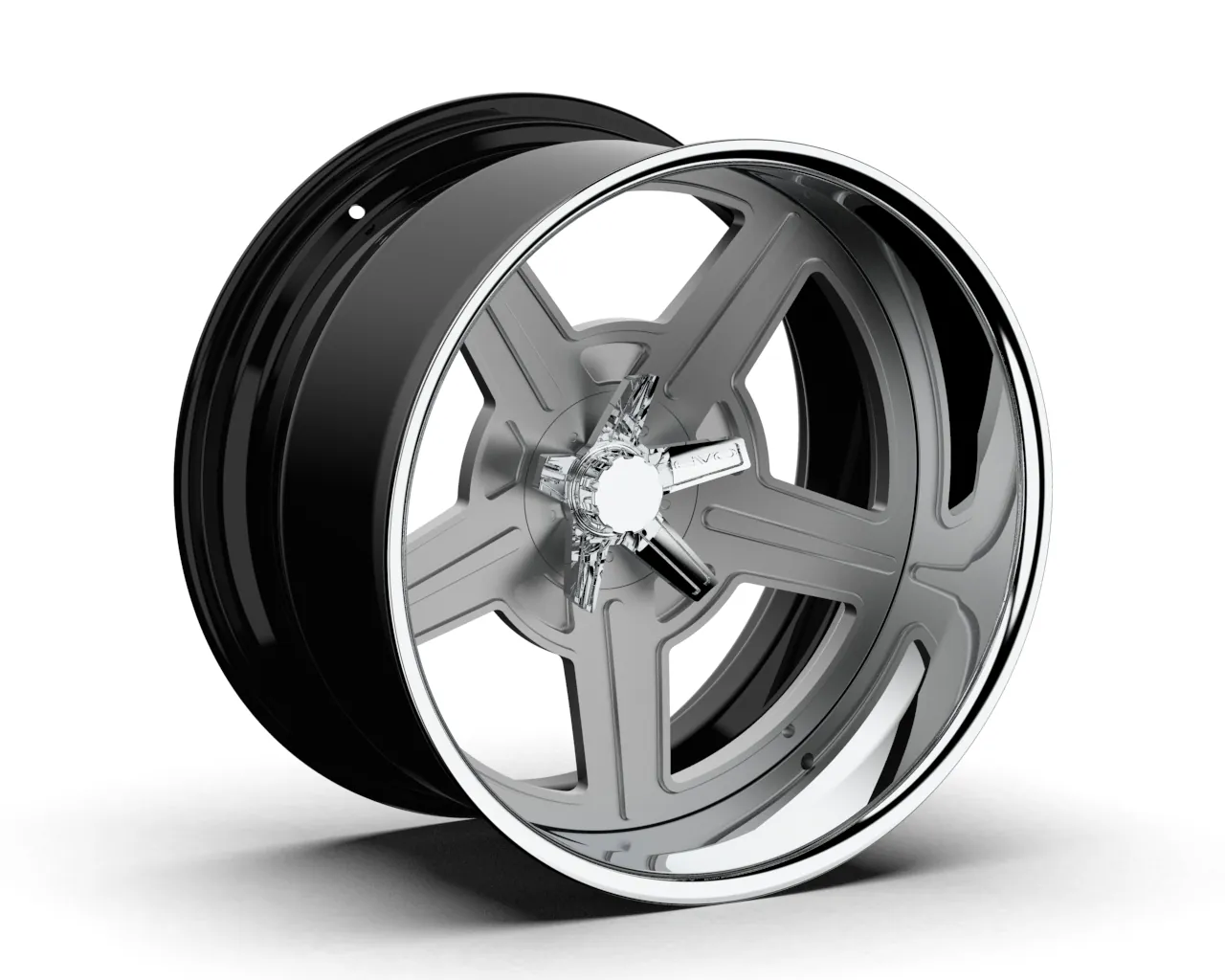
The most impressive wheel is still the wrong choice if it does not clear the car. Diameter, width, offset, bolt pattern, center bore, brake profile and tire size all work together. Change one dimension and you can affect fender clearance on the outside, suspension clearance on the inside or the spoke room around a caliper.
This is where forged wheels can earn their place on a complicated build. A custom forged set can be planned around the actual car rather than forcing the car to accept a generic size. That is valuable for big-brake conversions, lowered suspensions, custom-body work, staggered setups and vehicles where the desired wheel face needs a specific concavity or lip proportion.
Cast wheels can also fit beautifully when the vehicle is well supported by an established application. A factory-like street fitment with common tire sizes and no unusual brake or suspension changes may not need the additional flexibility of a made-to-order wheel. The point is not to sell complexity where it is unnecessary. It is to avoid treating a difficult build as though a universal chart can solve it.
Before ordering either type, collect the facts that influence clearance: the exact year, make, model and trim; brake changes; suspension changes; intended tire; desired ride height; and how the vehicle will be used. A reference photo is useful for design direction, but it cannot confirm steering clearance or suspension travel. The car itself has to lead the specification.
Cost is really a question of what you are buying
Cast wheels are generally less expensive because the manufacturing process can be scaled efficiently across many units. That can make them a strong value when you need a proven, attractive wheel in a standard fitment. A cast wheel is not automatically a compromise. It can be the practical choice when the design, load rating, finish and fitment all align with the vehicle.
Forged wheels cost more for understandable reasons. The material preparation, forging process, machining time and detailed finishing are more involved. The price can also include the work required to make the wheel around a specific vehicle, brake package and tire plan. On a true custom order, the wheel is not only a design. It is an engineered answer to the dimensions of the car.
That makes the right cost comparison broader than the purchase price. Consider the wheel's intended service life, the fitment accuracy you need, the visual goal, the amount of customization you actually value and the parts of the build that would need to change if the wheel does not work as planned. The cheapest wheel is not the least expensive choice when it creates clearance problems or forces a tire compromise you will notice every time you drive the car.
It is also worth separating a premium finish from a performance need. You might choose forged wheels because the build needs exact dimensions. You might choose them because you want a particular face, finish or level of detail. Both are legitimate, as long as the price is connected to what you care about rather than a vague promise that one manufacturing label makes every car better.
Durability is also about ownership
Wheel durability does not end when the machining is finished. The way a wheel is used, cleaned, installed and inspected matters over its life. A premium wheel can be damaged by an impact that would damage any wheel. A lower-cost wheel can give years of normal service when it is correctly fitted, kept at the right tire pressure and used within the load it was designed to support.
Road conditions are part of that ownership story. Deep potholes, rough construction zones, curbs and debris create impact loads that no product description can wish away. If a wheel takes a meaningful hit, inspect it for a loss of pressure, vibration, visible damage or a change in the way the car tracks. A wheel that still looks good at a glance is not automatically ready to ignore after an impact.
Finishes deserve their own thought as well. A painted, powder-coated, machined, brushed or polished surface can all be the right choice, but each will age differently depending on brake dust, road salt, washing habits and climate. Choose a finish you will enjoy living with. A delicate polished lip may be perfect for a fair-weather build and less satisfying on a daily driver that sees winter grime.
Installation is not a small detail. Use the vehicle manufacturer's lug torque specification, confirm the wheel seats correctly at the hub and recheck the setup as the wheel maker or installer recommends. The wheel, tire, hub, hardware and brake package all need to work as a system. That is true for cast, flow formed and forged wheels alike.
Questions worth asking before you order
A good wheel purchase should leave you with clear answers, not just a gallery of attractive photos. Start by asking for the exact diameter, width, offset and bolt pattern proposed for your car. Then ask what tire size the recommendation expects. Those basics tell you whether the wheel and tire are being considered together instead of chosen as separate accessories.
Next, explain anything that makes the vehicle less standard. Brake upgrades, coilovers, air suspension, lowering springs, fender work, a wide-body conversion, towing use or a change in intended tire all affect the right specification. It is better to be overly specific before a wheel is made than discover an assumption after the tire is mounted.
Ask how the proposed wheel addresses the vehicle's real use. A hard-driven street car, a weekend track car, a truck carrying tools and a show build do not need the same compromise. A useful answer should mention the wheel's load needs, clearance priorities and the choices being made around the face and barrel, not simply repeat that the wheel is forged or cast.
Finally, ask what support exists after delivery. Understand the finish-care guidance, hardware requirements, warranty terms and the process for inspecting a wheel after damage. A wheel is a long-term part of the vehicle. The quality of the conversation after the sale matters almost as much as the finish you see on day one.
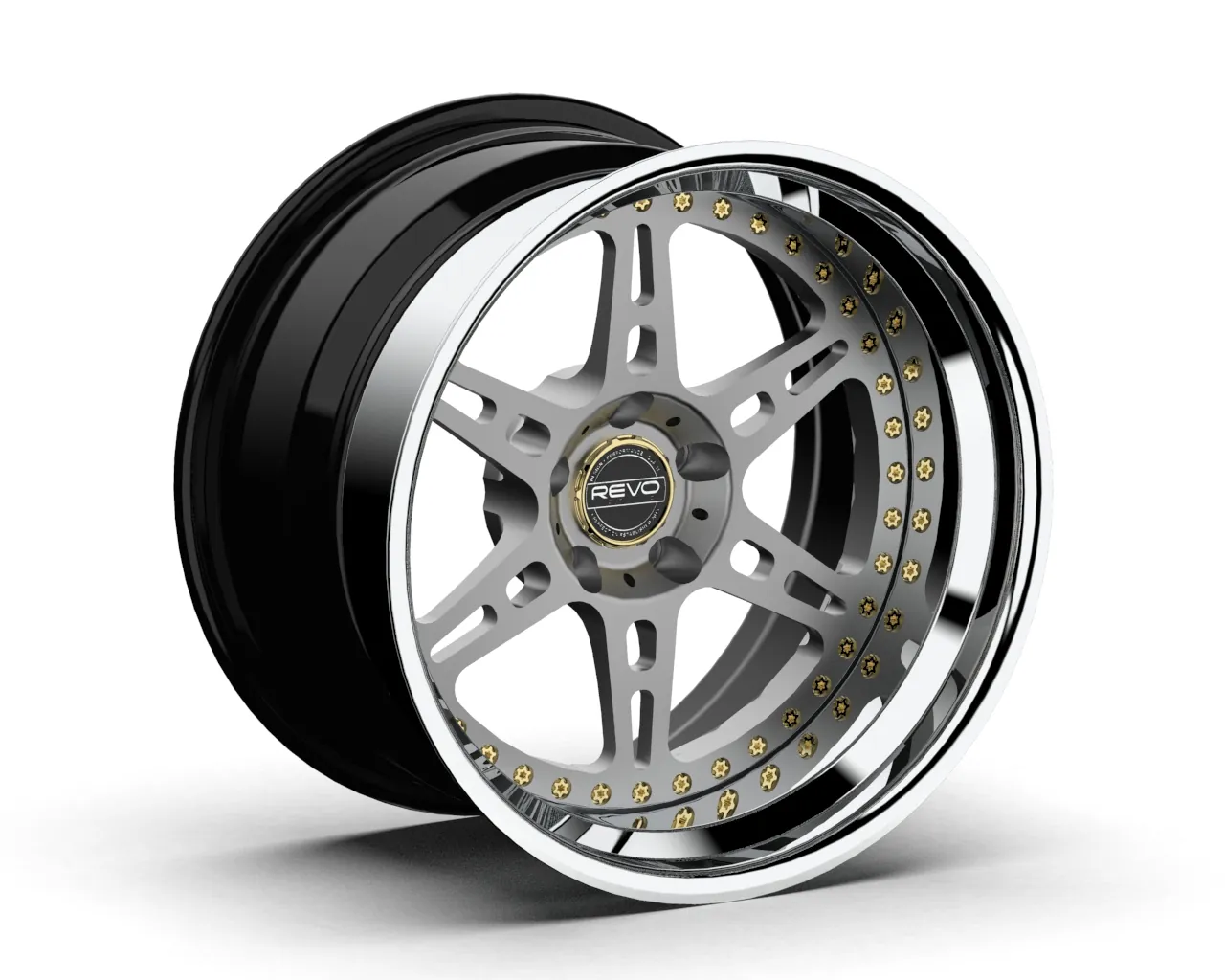
Daily drivers, performance cars and trucks need different answers
A daily-driven performance sedan with stock brakes and conservative tire sizes may be a great match for either construction. If you want a clean visual change and the fitment is well understood, a quality cast wheel can make sense. If you want lower weight, custom dimensions or a more specific design direction, forged can be worth the step up. The car's real use decides how much those benefits matter.
A track-focused car needs a more careful conversation. Brake temperatures, repeated loading, curb strikes, tire selection and suspension geometry all change the demands on the wheel. A forged wheel can be attractive because a carefully engineered package can pursue a low weight and a specific brake-clearance profile. But a track build still needs the right tire, alignment, torque procedure and inspection routine. A wheel cannot correct an incomplete setup.
Trucks and SUVs create another kind of decision. The vehicle can be heavier, carry passengers and cargo, tow, or see poor road surfaces. Here, load requirements and intended use need to lead the conversation. A wheel that looks right in a parking lot may not be right for a vehicle that routinely works. The best choice is one that supports the load and tire plan first, then delivers the stance and finish the owner wants.
Show builds and custom-body cars often benefit from the fitment flexibility of forged wheels because proportions matter. The face, lip, brake clearance and outer placement can be refined as part of one visual composition. That is not about chasing an extreme size for its own sake. It is about making the wheel look native to a vehicle that no longer follows factory dimensions.
Do not confuse cast, flow formed and forged
Wheel terminology gets messy quickly. Cast and forged describe different starting processes, but they are not the only words you will see. Flow formed wheels begin as a cast wheel, then have the barrel formed under pressure to change its shape and properties. They often sit between conventional cast wheels and fully forged wheels in both price and performance positioning.
That does not make flow forming a shortcut for fully forged construction, and it does not make it a bad option. It is a separate manufacturing approach with its own strengths. The useful lesson is that wheel shopping should not stop at one word on a product page. Ask how the wheel is made, what it weighs in the exact size you need, how it is rated and whether the proposed dimensions work with your car.
Construction count is another separate question. One-piece, two-piece and three-piece wheels describe how the center and barrel sections are arranged. A one-piece wheel can be cast or forged. A three-piece wheel can use forged components and gives a builder more ways to tune dimensions and lip proportions. For that decision, read our guide to three-piece versus one-piece wheels.
How to make the choice without buying the wrong story
Start with the non-negotiables. What is the vehicle? What tire do you intend to use? Are the brakes or suspension changed? Will the car see commuting, canyon roads, track days, towing, winter weather or shows? What kind of stance do you want? These answers set the boundaries for a wheel choice before the design takes over.
Then decide where the build needs flexibility. If the dimensions are known, the use is straightforward and you prefer a more accessible price, a quality cast option may be exactly right. If the car needs a highly tailored width, offset, brake profile or visual proportion, a custom forged set gives the project more room to be resolved properly.
Finally, choose a wheel builder that asks useful questions. Be skeptical of any recommendation that jumps straight from a vehicle name to a wheel size without asking about brakes, ride height or tires. Good fitment is not a generic promise. It is a series of decisions that has to work together once the vehicle is rolling, turning and loaded.
The best outcome is a wheel that stops feeling like a compromise once it is on the car. It clears at full lock and through suspension travel. It supports the tire you actually want to run. It suits the vehicle's weight and the way you drive. And it looks considered from every angle, rather than dramatic only in a single product photo. That is the standard to use when you weigh forged versus cast.
There is no prize for selecting the more expensive construction when the fitment does not require it, and no prize for saving money on a wheel that forces the rest of the build into concessions. Use the material and manufacturing choice as a tool. Once it supports the actual needs of the vehicle, you are free to focus on the parts that make the set personal: the design, the finish, the stance and the way the car feels on the road. That is how a wheel purchase becomes a coherent part of the build instead of another variable to manage. It also leaves room in the budget and planning process for the tire, alignment and installation choices that let the wheel perform as intended.
How REVO approaches a custom forged wheel set
REVO builds forged wheels around the vehicle instead of assuming every car should use the same dimensions. The process begins with the details that matter: the vehicle, brake package, suspension, tire plan, intended use and the look you want from the finished set.
From there, the wheel design, diameter, width, offset, spoke profile and finish can be planned as one specification. Browse the REVO wheel collection for a design direction, then use the custom forged wheels page to see how the fitment and finish decisions come together.
When you are ready to discuss the build, send the vehicle details through the fitment quote form. The more complete the starting information, the easier it is to create a wheel package that looks right and works properly on the car.
Frequently asked questions
Are forged wheels always lighter than cast wheels?
No. A forged wheel is not automatically lighter than every cast wheel in every size. Final weight depends on the wheel diameter, width, spoke design, barrel design, load target and how much material the manufacturer leaves in the finished part. Forging gives designers a strong starting point for pursuing lower weight, but the complete specification is what matters.
Are cast wheels safe for daily driving?
A properly engineered cast wheel that is correctly sized, load-rated and installed can be suitable for daily driving. The important questions are whether it fits the vehicle, supports the intended tire and use, and comes from a manufacturer that stands behind the engineering. A low price or an aggressive design does not answer those questions.
Why do forged wheels cost more?
Forged wheels usually involve more expensive material preparation, forging equipment, machining time and custom engineering. The price can also reflect a made-to-order fitment, a complex spoke profile and a detailed finish. The value is not simply the word forged. It is the capability of the complete wheel specification.
Do forged wheels improve performance?
They can, especially when a forged specification reduces wheel weight without giving up the fitment, load capacity or brake clearance the vehicle needs. Lower wheel weight can help a suspension react more freely, but tires, alignment, suspension setup and the final wheel dimensions still shape the driving result.
How do I choose between forged and cast wheels?
Start with the car and the job. Share the vehicle, brakes, suspension, tire plan, intended use and visual direction. A good wheel recommendation should balance clearance, load needs, strength, weight, finish and budget instead of treating one construction method as the answer for every build.