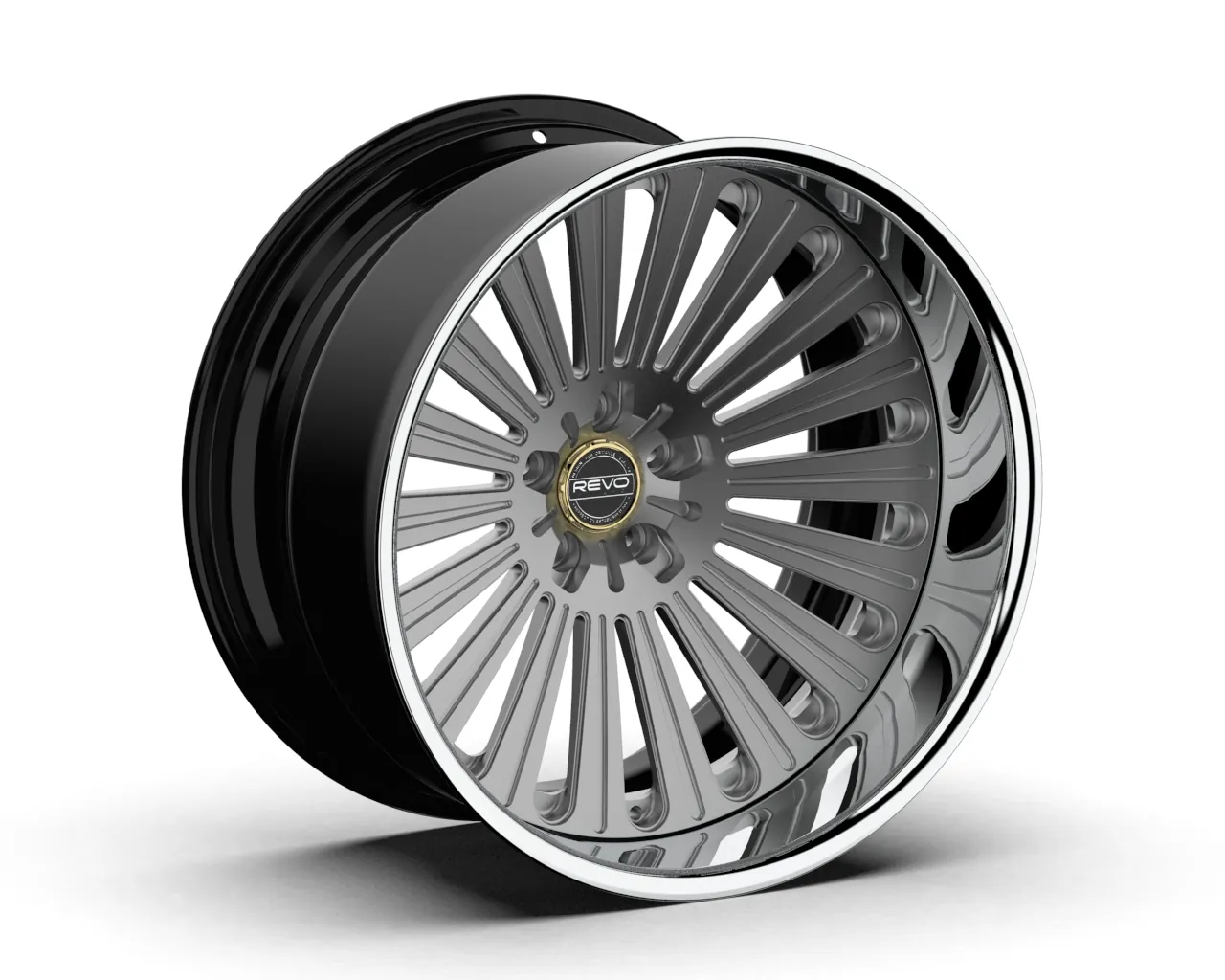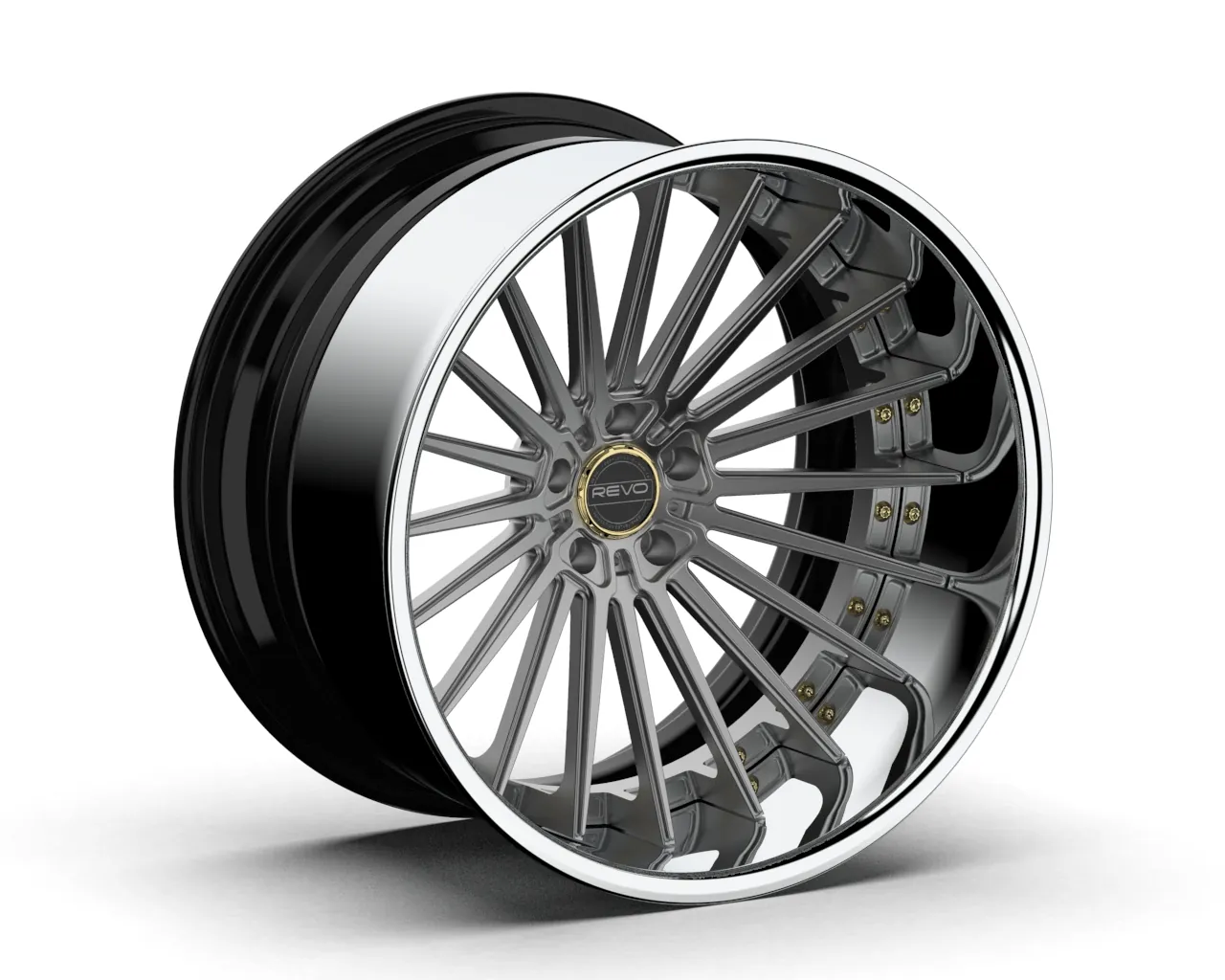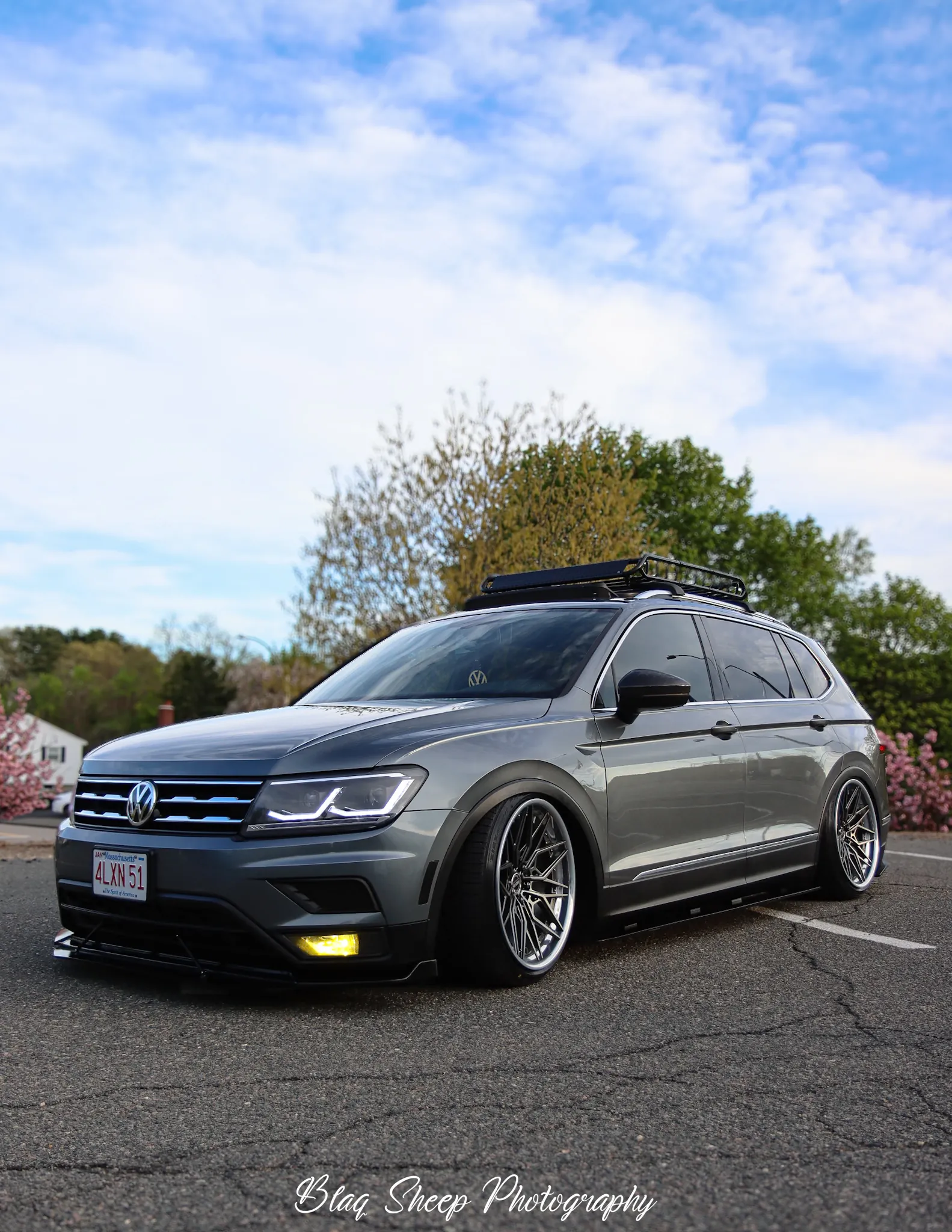
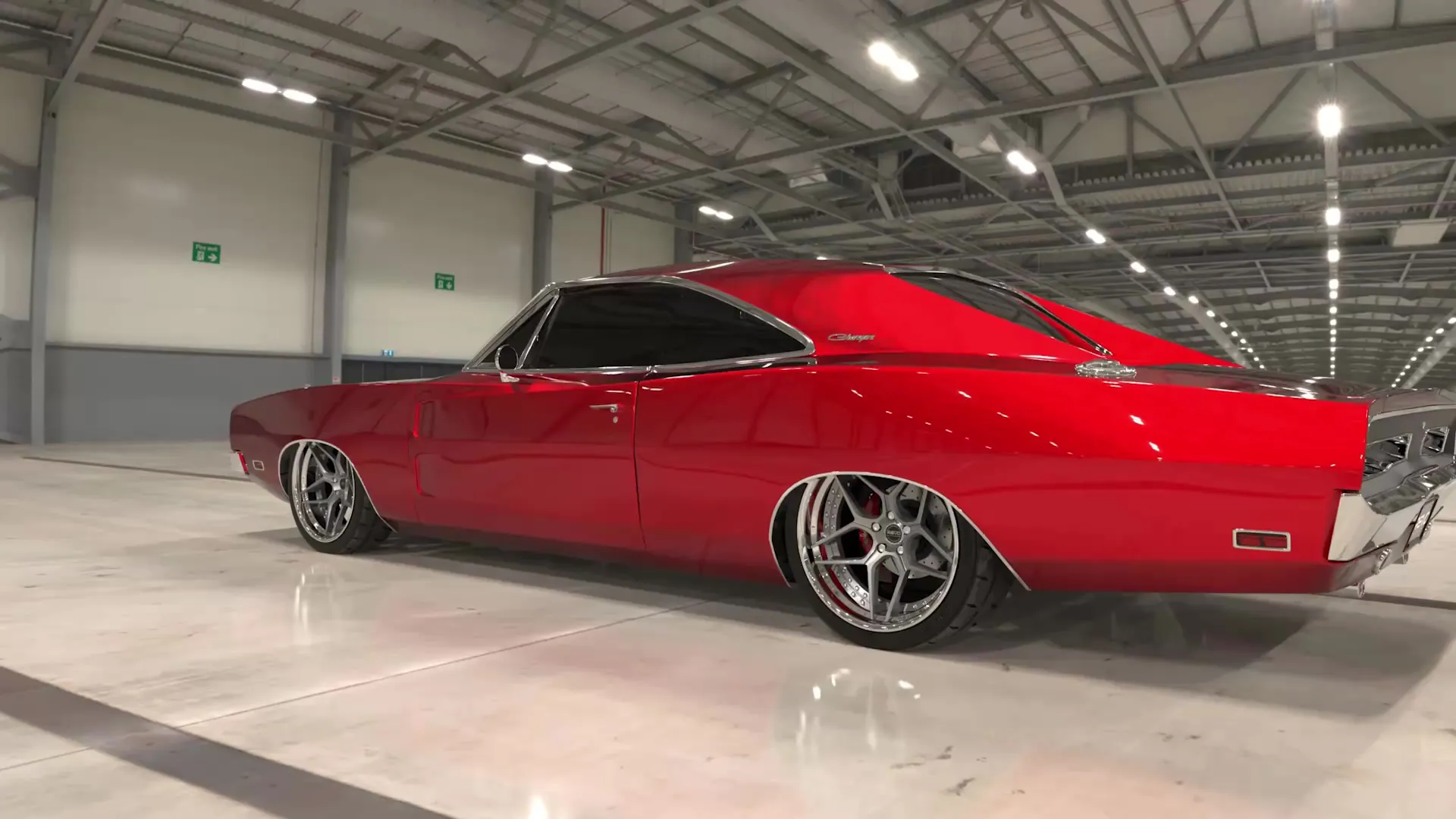
Wheel width looks simple on a listing. A wheel marked 19x9.5 appears to be 9.5 inches wide, and that is true in one important place. It is not always the number you will measure across the outer lips with a tape. Confusing those two reference points is one of the fastest ways to get lost when comparing backspacing, offset or the room around a tire.
The useful approach is to identify which width a specification is describing before you compare anything. The nominal width tells you where the tire beads sit. The outside width tells you how wide the bare wheel is from lip to lip. Both numbers matter, but they answer different questions. This guide shows how to measure each one and how to use the result in a real fitment plan.
What wheel width means
The width in a wheel size is the distance between the bead seats. Those are the ledges inside the barrel where the tire seals to the wheel. A 20x10 wheel is ten inches wide at those points. That bead-seat width is the industry reference used when matching tire sizes and comparing manufacturer wheel specifications.
The outer lips sit beyond the bead seats. Because of that, a wheel that is nominally ten inches wide will usually measure closer to eleven inches from outside lip to outside lip. The exact extra width depends on the shape and thickness of the lips, so do not assume every wheel adds the same amount. A modern one-piece wheel, a stepped-lip three-piece wheel and a vintage-style design can all measure differently at the edges.
That distinction is not trivia. Tire choice begins with the nominal bead-seat width. Backspacing and garage measurements often use the overall lip-to-lip width. Mixing the two can make a wheel look as though it has the wrong offset when the real issue is that the measurements came from different reference points.

What you need before measuring
The cleanest way to measure wheel width is with the tire removed. Lay the bare wheel face up on a protected, level surface. A tape measure with clear inch markings works for an overall-width check. A straightedge helps you keep the tape square to the wheel. For closer work at the bead seats, a caliper or a wheel-width measuring tool is more precise.
If the tire is still mounted, use the wheel manufacturer’s published size as your starting point. Measuring across a mounted tire tells you the tire’s section width and sidewall shape, not the wheel width. That can be useful for checking body clearance, but it is not a replacement for the wheel specification.
Before reaching for a tape, look behind the spokes and near the mounting pad. Most wheels are marked with their diameter, nominal width and offset. You might see 19x9.5, 20x10.5 or a similar size, often near an ET marking for offset. Record those markings first, then measure only what you need to verify or calculate.
How to measure the nominal wheel width
Nominal width is measured between the inside edges of the two bead seats, not from the very outside of one lip to the other. With the tire removed, look inside the barrel for the flat ledges where the tire beads rest. Measure straight across from one bead seat to the other. That distance is the width used in the wheel size.
The key is to keep the measurement perpendicular to the barrel. Measuring at an angle or including the outer lip adds width that is not part of the nominal size. On a deep-lip wheel, the difference is easy to see. On a wheel with a small outer lip, it is easier to miss, which is why the stamped size remains the best starting reference when it is trustworthy.
For example, a wheel marked 18x8.5 should measure about 8.5 inches between the bead seats. If a quick outside measurement shows about 9.5 inches, that does not mean the wheel is mislabeled. It means you measured a different part of the wheel. Keep the two results separately labeled rather than trying to make them agree.

How to measure the overall lip-to-lip width
For an overall-width measurement, place the tape across the widest outer point of the wheel, from the outside edge of the front lip to the outside edge of the rear lip. Keep the tape level and pass it through the wheel centerline. This is the measurement that helps when you are checking how much physical room a bare wheel takes up in the wheel well.
A nominal 9-inch wheel commonly measures about 10 inches overall, but the extra inch is a rule of thumb, not a measurement standard. The lip design, barrel construction and any protective rim flange can move the actual result. Measure the wheel in front of you when clearance is close.
Overall width becomes especially important when you calculate backspacing from an existing wheel. Backspacing is measured from the hub mounting surface to the inner rear lip. If you build a calculation around only the nominal bead-seat width, the centerline will be in the wrong place for the lip-to-lip measurement you are comparing. REVO’s wheel offset versus backspacing guide explains how those reference points work together.
Why wheel width matters for tire choice
Tire manufacturers publish approved wheel-width ranges for each tire size. Those ranges matter because the wheel controls how the tire beads sit and how the sidewall is supported. A tire mounted on a narrower wheel can pull inward at the sidewall. The same tire on a wider wheel can sit straighter or stretch outward, changing the shape that has to clear suspension parts and bodywork.
Use the tire maker’s published fitment range for the exact tire, not a generic rule copied from another build. Tire construction, intended use and section shape vary. The National Highway Traffic Safety Administration’s tire guidance also reinforces that tire size, loading and condition are safety decisions, not cosmetic details.
Width influences the visual result as well. A properly matched tire can support a clean, square shoulder on a performance car or a fuller sidewall on a truck. The right look still has to work with steering clearance, suspension travel and the way the vehicle will be used. A tire that appears to fit while parked can move into a liner or fender once the car is loaded or turned to full lock.
How width changes offset and backspacing comparisons
Wheel width does not change the offset printed on the wheel. Offset remains the distance between the hub mounting surface and the wheel centerline. But when the wheel gets wider, material is added to both sides of that centerline. With offset unchanged, half of the added width moves inward and half moves outward.
Say you move from a 9-inch wheel to a 10-inch wheel at the same offset. The new wheel is one inch wider, so about half an inch is added toward the suspension and half an inch is added toward the fender. That is enough to create a clearance problem even though the offset number did not change.
Offset can then move the entire wheel inward or outward. Lowering a positive offset moves the wheel outward. Increasing positive offset moves it inward. To compare a real setup, start with the width change, divide it between both sides, then account for the offset change. The wheel offset chart gives practical examples of that comparison, and the wheel offset measurement guide shows how to verify the starting wheel.
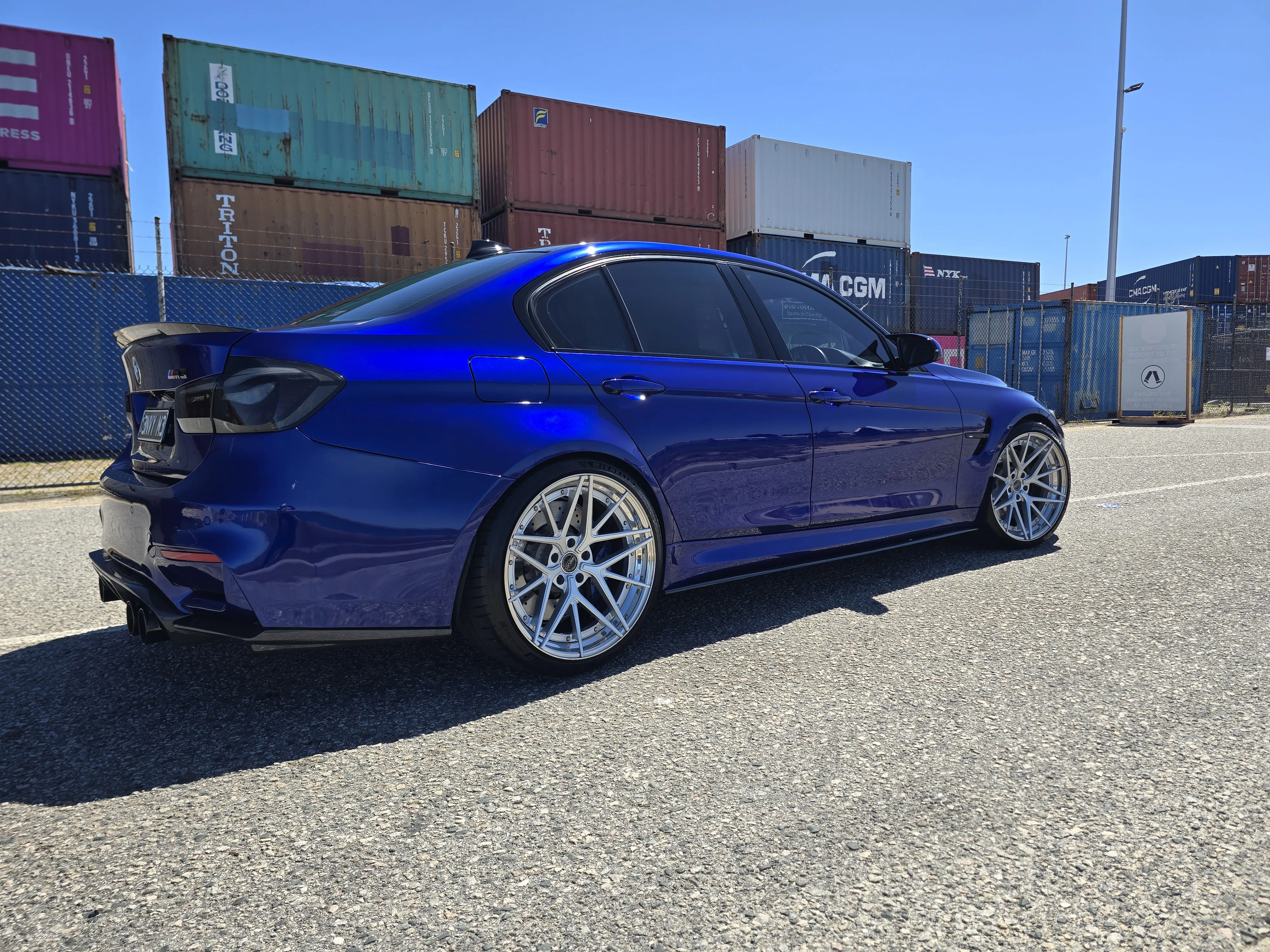
Measure the wheel you know before chasing a new size
A wheel that already clears your brakes, suspension and fenders is valuable reference material. Write down its diameter, nominal width, offset, tire size and the overall lip-to-lip width if you are comparing backspacing. Then note the parts of the setup that matter: ride height, alignment, brake changes, coilovers, fender work and whether the vehicle carries passengers, cargo or track equipment.
Use that known setup as a baseline. If the proposed wheel is wider, decide where the extra width will go. If the offset also changes, calculate the inward and outward movement separately. This is more useful than copying a wheel size from another vehicle that looks similar online. Two cars with the same model name can have different brakes, suspension, tires or body clearance.
Do not forget the tire. A new tire with a taller sidewall or a broader shoulder can be the first thing to rub even when the wheel comparison looks reasonable. The wheel and tire should be checked as one package through steering lock and suspension travel, not as isolated parts.
Common wheel-width measurement mistakes
- Measuring the outer lips and calling it nominal width. The bead-seat width is the size printed in the wheel specification.
- Using nominal width for a lip-to-lip backspacing calculation. Use the same overall-width reference that the backspacing measurement uses.
- Measuring with the tire mounted. The tire prevents a reliable bead-seat measurement and can hide the wheel edge.
- Ignoring offset because the new wheel is only slightly wider. A small width change can matter when the brakes, coilovers or fenders are already close.
- Copying a fitment from a different build. Similar vehicles can have different tires, brake packages, alignment and ride height.
- Treating wheel width as the complete tire-fitment answer. Diameter, tire construction, load needs and the vehicle’s available clearance all belong in the decision.
A simple wheel-width checklist before ordering
Start with the exact vehicle year, make, model and trim. Confirm the current wheel and tire size, then record the nominal width and offset of any setup that already fits well. Measure overall width only when you need to compare physical clearance or calculate backspacing from the wheel in front of you.
Next, note brake upgrades, suspension changes, ride height, tire plan and the vehicle’s intended use. A daily-driven sports car, a lowered show build, a track car and a truck that tows can need very different decisions around width, tire sidewall and clearance. Bolt pattern and center bore remain part of the checklist too. REVO’s bolt-pattern guide and center-bore guide cover those mounting checks.
How REVO uses wheel width in a custom specification
REVO starts with the vehicle and the build goal, then uses width as one connected part of the full specification. The tire plan, brakes, suspension, clearance, wheel design and desired stance all inform where the wheel needs to sit. That makes it possible to choose the right width and offset together rather than treating either number as a cosmetic afterthought.
Explore the REVO wheel collection for a design direction, then compare the freedom of each option in the wheel construction guide. When you are ready to turn a reference setup into a vehicle-specific plan, send the details through the fitment quote form. A clear width measurement gives the conversation a useful starting point. The full vehicle determines the right final answer.
Frequently asked questions
How is wheel width measured?
The nominal width printed in a wheel size is measured between the tire bead seats. The total outside width from lip to lip is usually wider. Use the bead-seat width when matching a tire or reading a wheel specification, and use a consistent overall-width measurement when calculating backspacing or comparing the space a bare wheel occupies.
Is an 8-inch wheel actually 8 inches wide?
An 8-inch wheel is normally eight inches wide at the bead seats, where the tire mounts. The outer lips extend beyond those seats, so the physical lip-to-lip measurement is commonly about an inch wider, although the exact difference depends on the wheel design.
Can I measure wheel width with the tire mounted?
Not accurately enough for a fitment decision. A mounted tire hides the bead seats and changes the outer shape you can measure. Use the wheel manufacturer’s specification or remove the tire when you need to verify the wheel itself.
Does wheel width change offset?
No. Offset is a separate measurement between the mounting surface and the wheel centerline. A wider wheel can still have the same offset, but it adds material toward both the suspension side and the fender side, so width and offset always need to be considered together.
What wheel details should I provide for a custom fitment quote?
Share the exact year, make, model and trim, current wheel and tire size, brake and suspension changes, intended use and photos of the vehicle. If an existing setup fits well, include its width, offset and tire size as a helpful baseline.