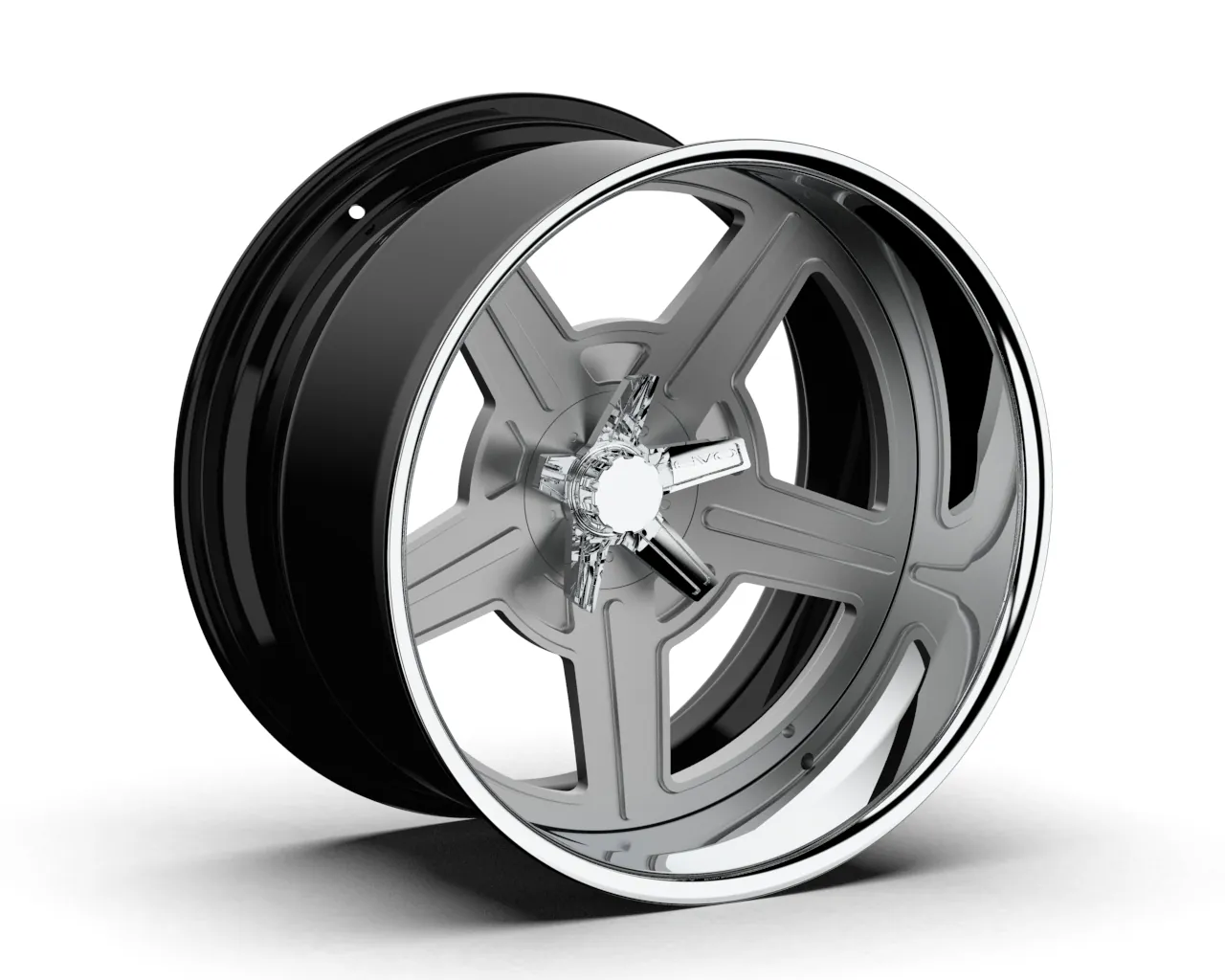
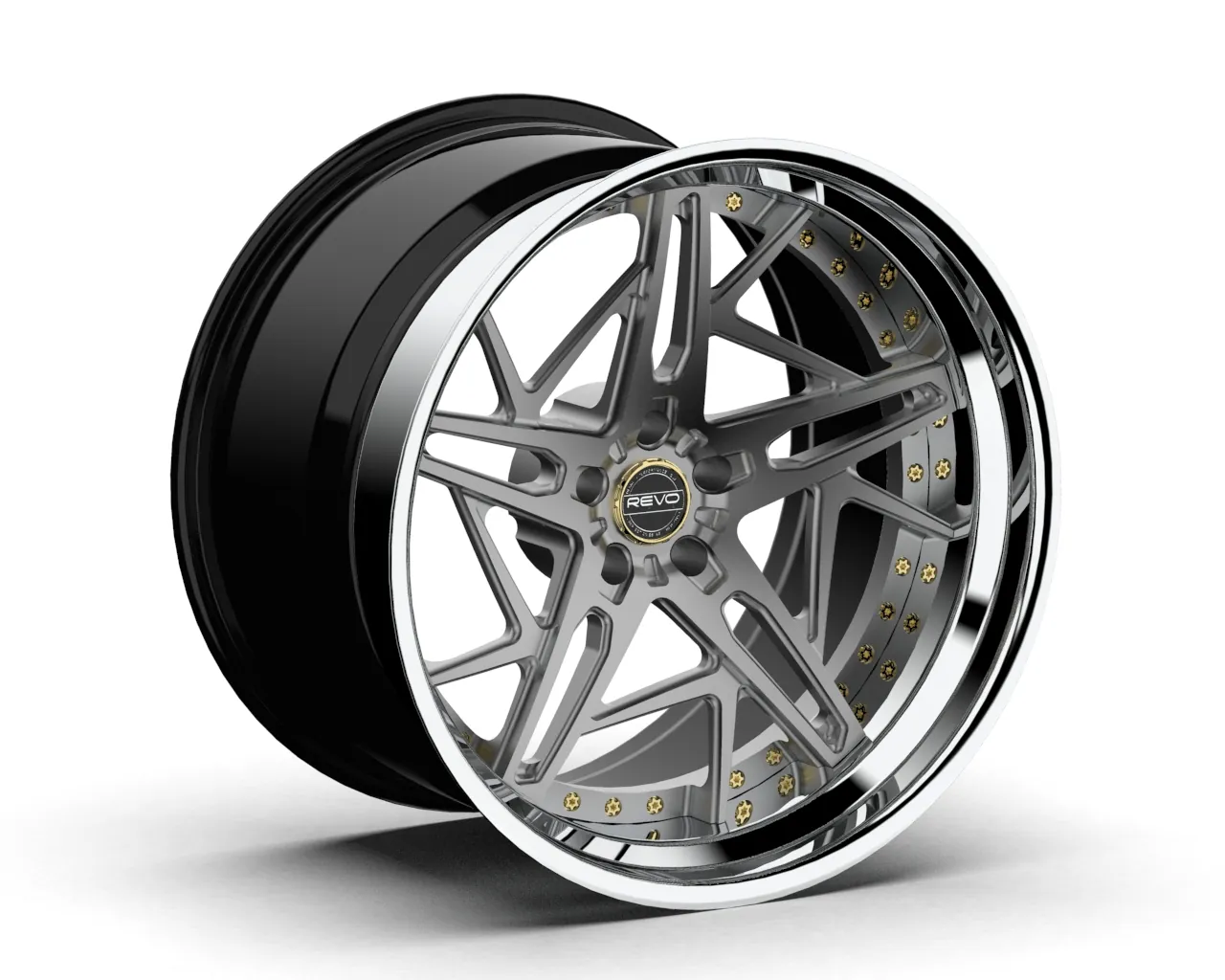
Yes, most forged automotive wheels are made from aluminum alloy. That answer clears up one common point of confusion, but it is only the start. “Forged” describes the way the material is shaped. “Aluminum” describes the material family. A wheel can be forged aluminum, cast aluminum, flow-formed aluminum or, in more specialized applications, magnesium or another material entirely.
The distinction matters because a wheel is not chosen by material alone. The right set must clear the brakes, work with the tire, sit correctly under the fender, support the vehicle’s use and suit the visual direction of the build. Material and manufacturing affect the options available to the wheel designer. Fitment decides whether those options work on your car.
The short answer
Most premium forged road wheels start as an aluminum-alloy billet or forged blank. The material is pressed into a rough form, then machined into the final wheel. Tire Rack’s wheel-construction guide describes forging as forming a solid aluminum billet between dies under substantial pressure before precision machining completes the wheel.
That does not mean every wheel that looks like aluminum is forged. Aluminum wheels are also commonly cast. Flow-formed wheels begin as cast blanks and have the barrel worked with heat, pressure and rotation. All three can be legitimate choices when their actual dimensions, engineering and intended use fit the vehicle. The label is a starting point for a conversation, not the finish line.
| Term | What it tells you | What it does not tell you |
|---|---|---|
| Aluminum alloy | The wheel uses an aluminum-based material. | Whether the wheel is forged, cast or right for the car. |
| Forged | The material was formed under pressure before final machining. | Exact weight, load suitability or brake clearance. |
| Alloy wheel | Usually a non-steel wheel, often aluminum-based. | The manufacturing method or quality of a specific wheel. |
Why aluminum alloy is so common
Aluminum alloys give wheel makers a useful balance of strength, weight, corrosion resistance and machinability. Those qualities are especially valuable when the wheel needs a detailed spoke profile, a specific barrel shape or a finish that will hold up to normal ownership. Aluminum is also familiar territory for the tire, wheel and automotive industries, which makes it practical across many kinds of performance and custom applications.
Calling a wheel “aluminum” is still not a full specification. Aluminum alloy is a broad family. The alloy selection, the heat treatment, the finished geometry and the quality controls all affect the result. It is more useful to ask how a particular wheel was designed for its target vehicle than to treat a raw-material name as a complete answer about strength or performance.
That is also why the phrase “alloy wheel” can create confusion. In normal automotive conversation, alloy often means an aluminum-based wheel instead of a steel wheel. A forged aluminum wheel is therefore an alloy wheel. But an alloy wheel can also be cast or flow formed. If the construction matters to your decision, ask the manufacturer directly rather than assuming the word alloy means forged.
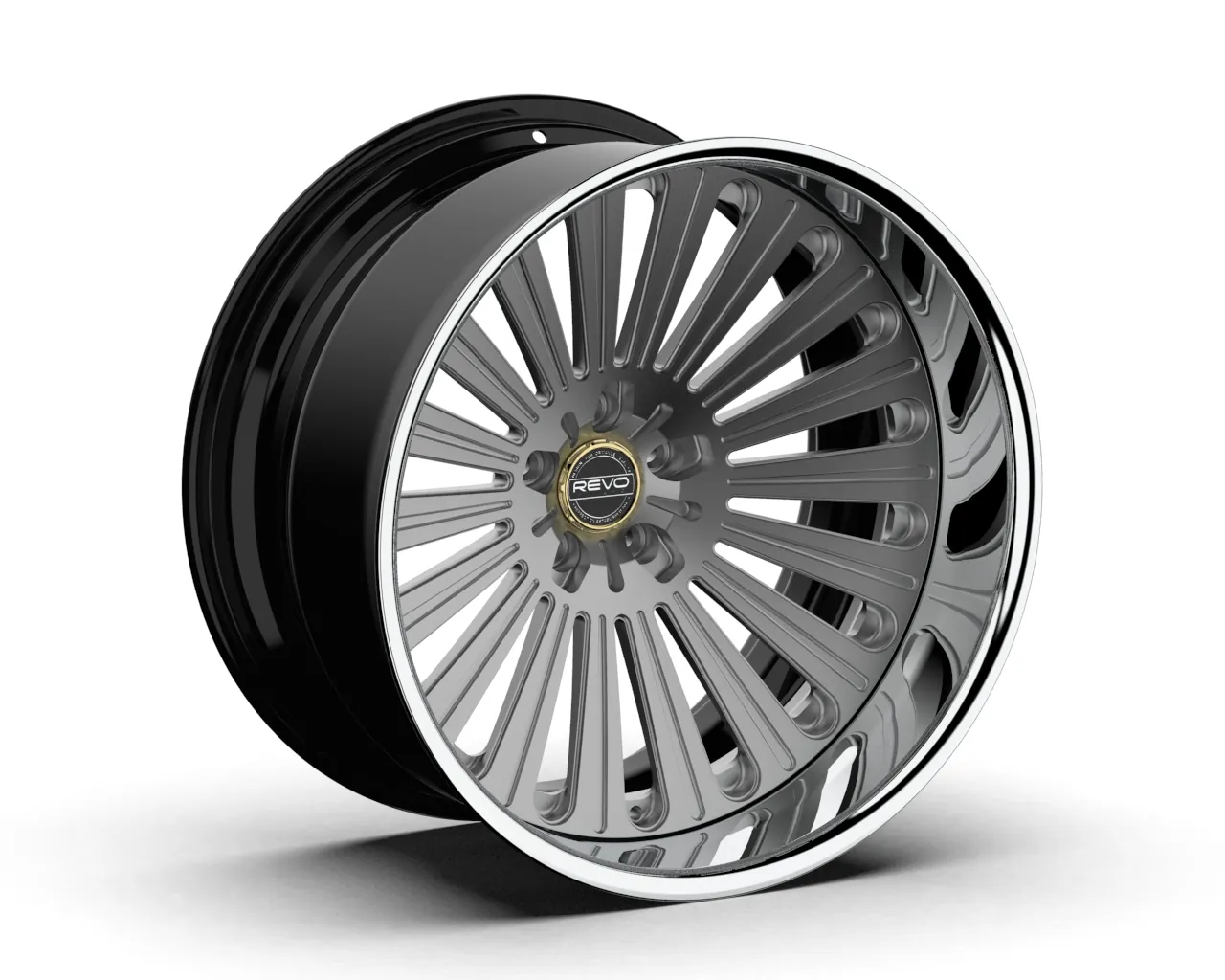
What forging changes
Forging begins with solid aluminum material rather than pouring molten material into a wheel-shaped mold. Pressure forms the blank, and machining then creates the bolt pattern, spoke shape, mounting pad and finish. The process gives the wheel designer a different material foundation for managing the balance between mass, stiffness, load needs and the shape required around the brakes.
The benefit is not a magic rule that every forged wheel is automatically lighter or stronger than every other wheel. Final weight still depends on diameter, width, barrel depth, load target, spoke design, brake-clearance envelope and how much material the design needs to leave in each area. A large, wide forged wheel can weigh more than a smaller cast wheel because the two parts are doing different jobs.
Forging becomes particularly useful when the finished wheel must answer several constraints at once. A lowered car may need a particular width and offset. A brake upgrade may need extra room behind the spokes. A larger tire may need space on both the suspension and fender sides. A custom forged wheel can be planned around that complete list before it is machined, rather than asking a standard wheel to solve a problem it was not designed around.
Forged aluminum versus cast aluminum
Cast aluminum wheels are made by introducing molten aluminum into a mold, then machining and finishing the part. Casting remains common because it can create attractive designs efficiently, especially for established vehicle applications. It can be a sensible choice for a street car with known dimensions, a realistic budget and no unusual brake or suspension requirement.
Forged aluminum wheels start from solid material and carry a different cost structure. The forming process, machining time and ability to tailor a specification are part of what buyers are paying for. The practical value is not simply the word forged stamped on a product description. It is the freedom to set the wheel around the car, including the dimensions, brake profile, tire plan and finish that matter to the owner.
For a closer comparison, read REVO’s forged versus cast wheel guide. The useful comparison is always fair: similar diameter, width, load expectation and use. Comparing a narrow forged 18-inch wheel with a wide cast 22-inch wheel will not tell you much about construction, because their jobs are not the same.
Where flow-formed wheels fit
Flow forming, also called rim rolling or rotary forming by some manufacturers, sits between conventional casting and full forging in the way the barrel is produced. The process begins with a cast blank. Heat, rotation and rollers then work the barrel toward its final width and shape. The result can offer a meaningful improvement over a basic cast barrel without the cost of a fully forged wheel.
This is why a quality flow-formed wheel can be a smart option for a straightforward street or enthusiast build. The right choice depends on whether the available sizes, offsets, brake clearance and load suitability already match the car. Flow forming is not a deceptive substitute for forging, but it should not be treated as the same process either. REVO’s forged versus flow-formed guide walks through the tradeoffs in more detail.
Material and construction do not remove the need to inspect a specific wheel’s specifications. A well-chosen wheel is clear about the vehicle it fits, the tire it expects and the kind of use it supports. A vague claim about an “aerospace alloy” or a “performance process” does not answer those questions by itself.
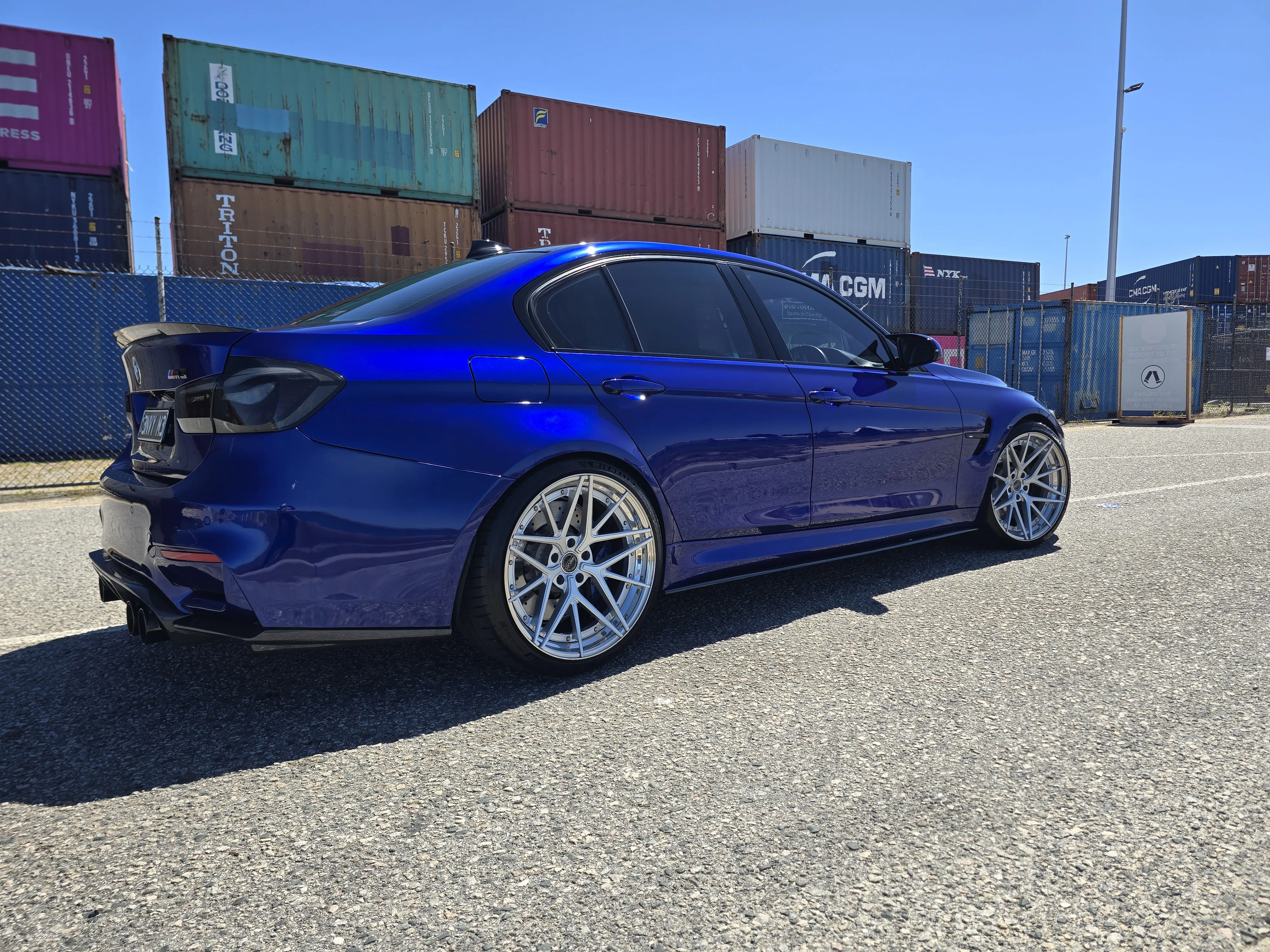
What about magnesium wheels?
Magnesium is a different material from aluminum. It can be used in specialized wheel applications and can also be forged or cast. That means “forged” and “magnesium” are not competing labels. One describes a manufacturing route and the other describes a material. A forged wheel may be aluminum alloy or magnesium alloy, depending on the application and manufacturer.
Magnesium’s lower density can make it attractive where reducing mass is a central goal. It also brings different cost, finish, durability and application considerations. A buyer should not treat magnesium as a universal upgrade over aluminum, just as they should not treat forging as a universal answer over every cast wheel. The vehicle, use, wheel geometry and support behind the product still matter.
For most custom road-wheel conversations, the important distinction is simple: aluminum is the common foundation for forged wheels, while magnesium is a more specialized material choice. The rest of the decision returns to the complete wheel package and the vehicle it will support.
Why material is not enough to choose a wheel
Before material becomes a deciding factor, the wheel needs to mount and move correctly. Confirm the bolt pattern, center bore, mounting-seat interface, diameter, width, offset, brake profile and tire size. Then consider steering lock, suspension compression and the real load the vehicle will see. A wheel can be beautifully machined from forged aluminum and still be wrong if the tire contacts a fender or the spokes do not clear the caliper.
Offset and width deserve special care. Moving to a wider wheel affects both the suspension side and the fender side. Changing offset moves the whole wheel relative to the hub. Use REVO’s wheel-offset measurement guide and offset and backspacing calculator to compare dimensions, then verify the complete package for the specific vehicle.
The tire is part of that package, not an afterthought. Two tires with the same size printed on the sidewall can have different shoulder shapes and real widths. Ride height, alignment, bodywork and intended use can change the room available as well. A parked photo may show the look you want, but it cannot prove clearance at full steering lock or through suspension travel.
Installation and care still matter
A forged aluminum wheel does not remove the need for the right hardware and a careful installation. The wheel has to seat flat against the hub, use fasteners with the correct thread and seat shape, and be tightened to the vehicle or wheel manufacturer’s specified torque. A mismatch at the hub, mounting surface or fastener seat can create a problem even when the wheel dimensions are otherwise correct.
Center bore is another detail that belongs in the same check. A wheel with a matching bore locates on the vehicle hub. When a compatible aftermarket wheel has a larger bore, it may need an appropriately sized centering ring. That ring does not change offset, create brake clearance or make an incorrect wheel fit. REVO’s hub-centric ring guide explains what it can and cannot do.
After installation, monitor tire pressure, vibration, unusual contact marks and any change in how the vehicle tracks. Road hazards can damage any wheel, regardless of material or construction. A wheel that has taken a serious impact deserves a proper inspection rather than an assumption that forged construction makes it immune to damage.
A practical checklist before you buy
- Define the vehicle exactly. Record the year, make, model, trim, drivetrain and any changes that affect fitment.
- Include the parts around the wheel. Note brake upgrades, suspension changes, ride height and the tire plan.
- Confirm the full wheel specification. Ask for diameter, width, offset, bolt pattern, center bore, mounting-seat type and the proposed finish.
- Compare like with like. If weight matters, compare similar diameter, width, tire and load expectations.
- Match the wheel to the job. A daily driver, a track-focused car and a truck with serious work or towing duties need different priorities.
Those questions help separate a material discussion from a purchase decision. Aluminum alloy may be the right starting point. Forging may give the design more room to meet a difficult brief. But the set succeeds only when every related detail works together on the vehicle.
How REVO uses forged aluminum for custom fitment
REVO starts with the vehicle rather than a generic size chart. The year, make, model and trim establish the base. Brake package, suspension changes, tire size, intended use and design direction then shape the wheel’s width, offset, spoke profile and finish. Aluminum forging gives that process room to create a tailored wheel without treating one number or material label as the whole solution.
Explore the REVO wheel collection for design direction and the construction options for a closer look at the available approaches. When the build is ready to move from an idea to a specification, send the vehicle details through the fitment quote form. The goal is a wheel that looks intentional, clears confidently and makes sense for the way the vehicle is actually used.
Frequently asked questions
Are forged wheels made of aluminum?
Most forged automotive wheels are made from aluminum alloy. The word forged describes how the material is formed under pressure, not the metal by itself. A wheel can be aluminum and forged, aluminum and cast, or made from another material using a different process.
Are forged wheels the same as alloy wheels?
A forged aluminum wheel is an alloy wheel, but not every alloy wheel is forged. In everyday wheel language, alloy usually refers to aluminum-based wheels rather than steel. The useful next question is whether that alloy wheel was cast, flow formed or fully forged.
Are forged aluminum wheels always lighter?
No. Diameter, width, load target, spoke shape, barrel design and finish all affect final weight. Compare like-for-like wheel specifications and include the tire in the comparison rather than assuming one manufacturing label guarantees a lighter package.
Are magnesium wheels forged?
Magnesium wheels can be forged, cast or made through other specialized methods. Magnesium is not another name for forged aluminum. It is a separate material with its own engineering, finish, cost and use considerations.
What should I ask before ordering forged wheels?
Confirm the exact vehicle, tire plan, brake package, suspension changes, intended use, proposed diameter, width, offset, center bore, bolt pattern and finish. Those facts determine whether a wheel will mount, clear and suit the build.