Custom forged wheels
Custom forged wheels built around your car.
Choose the design, construction, profile and finish. REVO turns those decisions into a wheel specification that works with the vehicle you actually drive.
A wheel should belong there
More than a different finish.
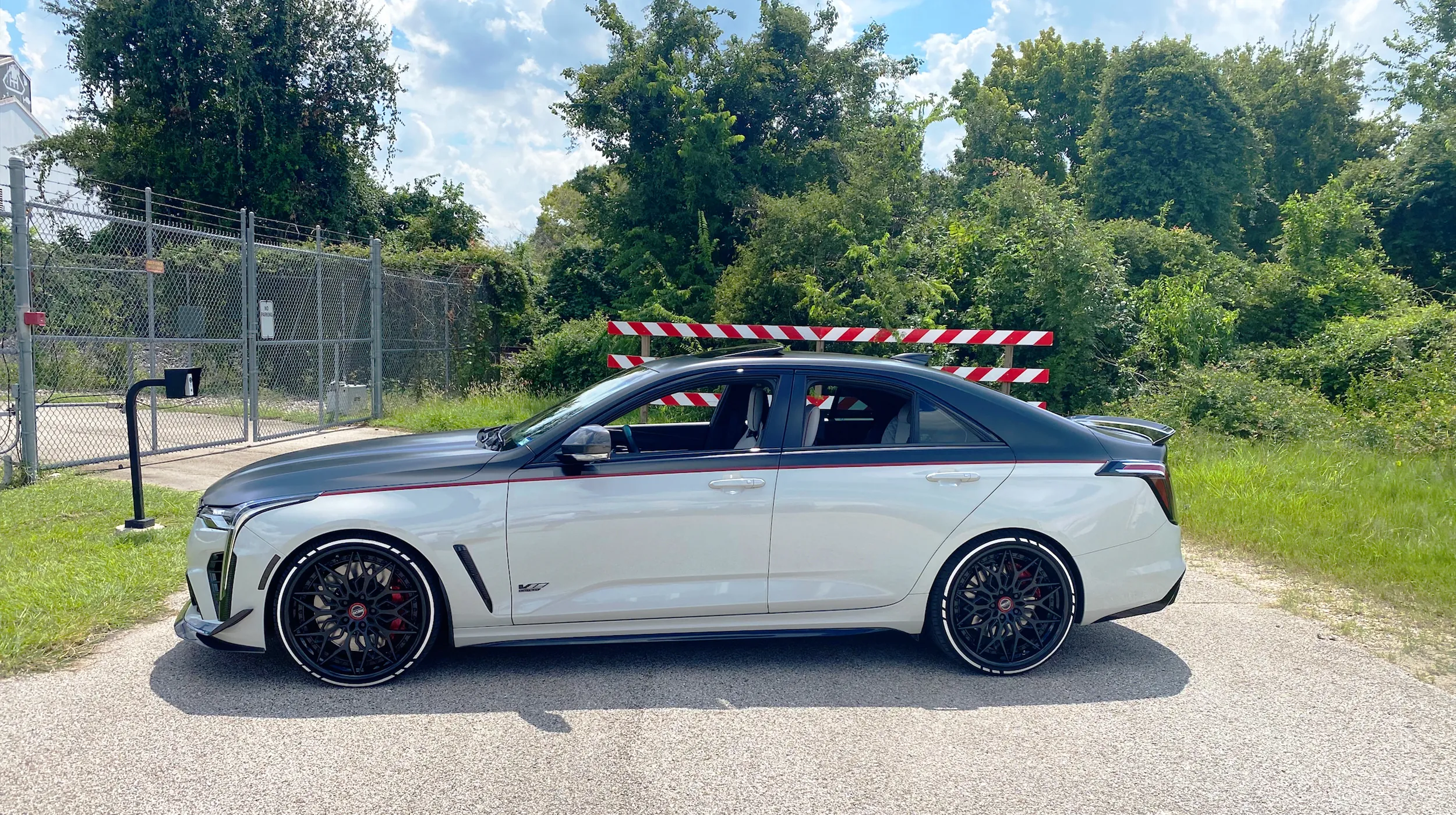
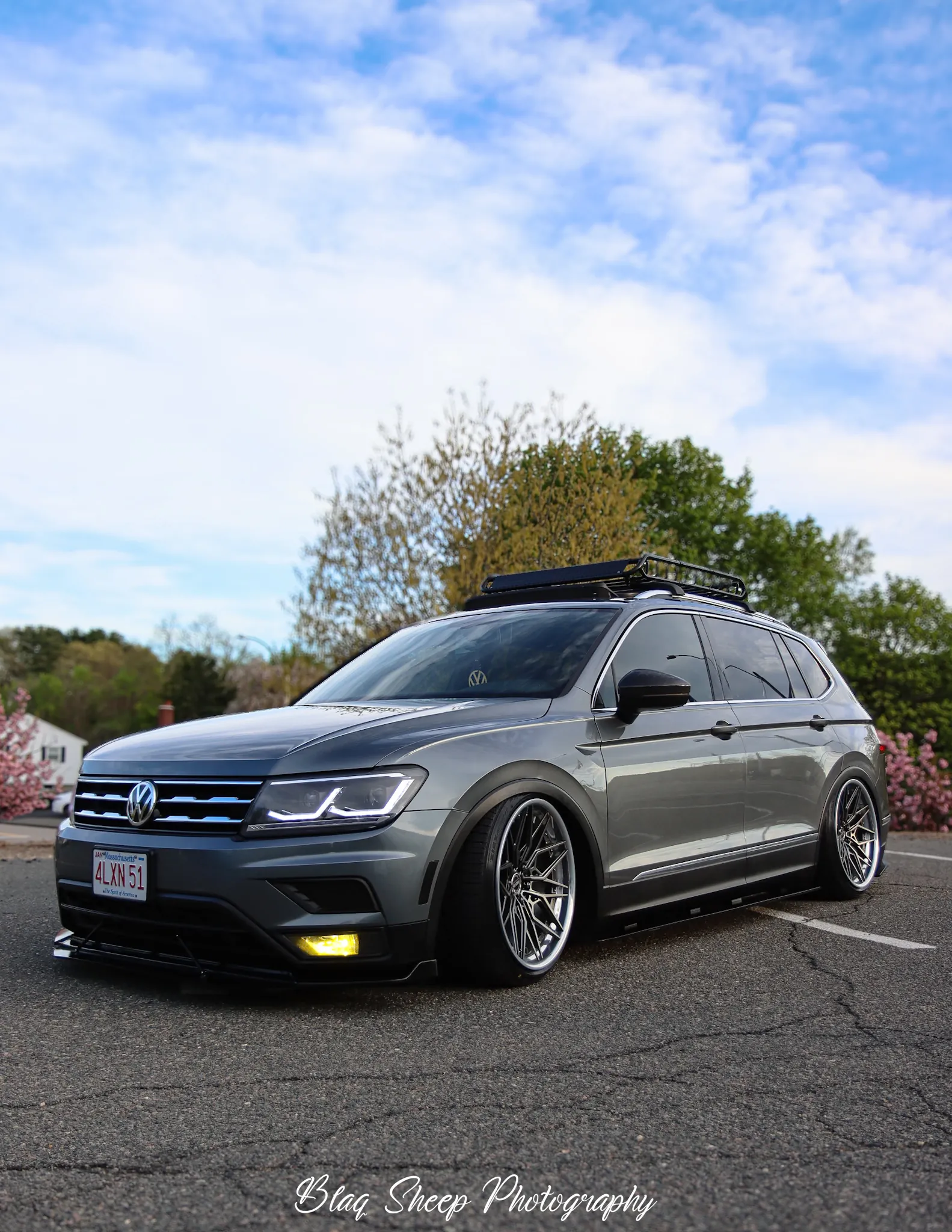
A custom forged wheel set starts with the car, then works outward. The stance you want, the brakes you run, the tire you plan to use and the character of the build all influence the final proportions. When those choices are handled as one specification, the result looks intentional from every angle.
REVO builds custom aluminum and magnesium wheels for drivers who want more than a catalogue size and a colour change. Choose a design direction from the collection, then shape the details around the vehicle: the diameter, width, offset, concavity, lip profile, hardware and finish. The goal is a wheel that carries the visual weight of the build without asking the car to compromise around it.
Choose the right foundation
Construction follows the brief.
One-piece, two-piece and three-piece wheels each create a different path to the finished look. The right option depends on what the vehicle needs and what you want the wheel to say.
One-piece
A one-piece wheel is cut from a single forging. It suits builds where a clean, integrated form and a direct visual statement are the priority. With the right diameter, width and profile, a one-piece design can feel simple in the best way: purposeful, balanced and fully resolved.
Two-piece
Two-piece construction combines a forged center with separate barrel components. It opens up more freedom to tune the face, step and finish relationship, making it a strong option when the build needs a tailored profile without leaning fully into a classic multi-piece appearance.
Three-piece
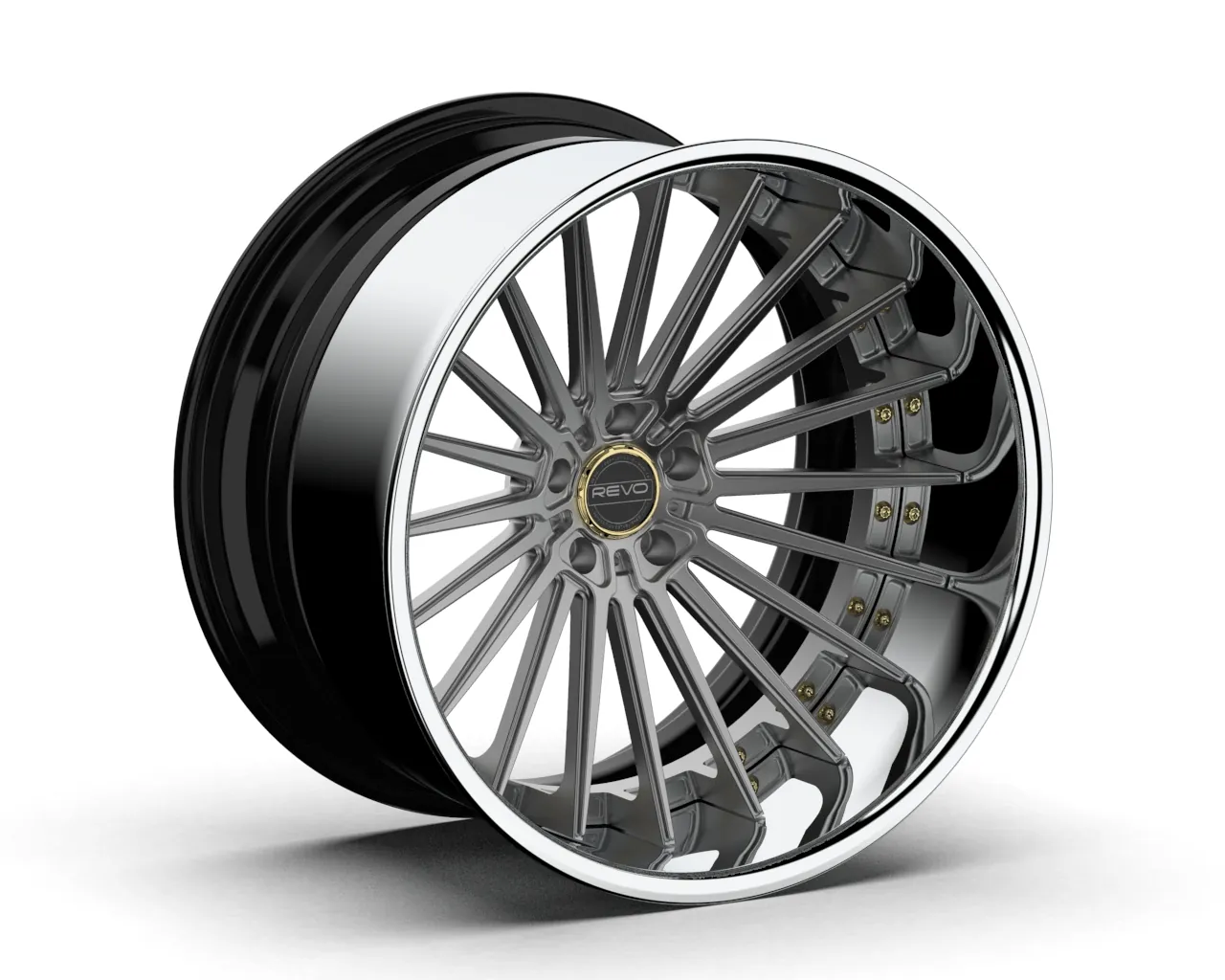
Three-piece construction separates the center, inner and outer sections. That modularity gives a project more room to chase exact barrel proportions, a distinct outer lip or a highly specific stance. It is the natural conversation when the wheel needs to solve a visual or dimensional problem that a fixed form cannot.
The details change the result
Every decision has a visual job.
Diameter is not simply a bigger-or-smaller choice. It changes the relationship between the wheel, tire and wheel arch. Width shapes how much tire sidewall is present and how the set reads from the front and rear. Offset moves the wheel face within the available space. Together, these dimensions establish whether the car looks planted, precise, relaxed or aggressive.
The face and finish complete that direction. A tighter spoke pattern can bring detail and motion to a luxury build. A more open design can make space for a visible brake package or give a performance car a cleaner, mechanical feel. Brushed, polished, painted and contrasting finishes all change how the wheel catches light. Hardware and barrel choices can either disappear into the overall form or become part of the statement.
This is why a custom forged set is best approached as a complete composition. The strongest result is rarely one dramatic choice. It is a series of connected decisions that lets the wheel work with the proportions, purpose and personality already present in the car.
Make the first conversation count
Bring a clear brief, not every answer.
You do not need to arrive with wheel dimensions memorised. You do need a useful picture of the car and the outcome you want. A simple starting point gives the fitment conversation enough direction to become specific without forcing you into decisions too early.
How the car is used
Daily-driven, show-focused, performance-oriented or built for work, the intended use helps set the right priorities. It gives context to the tire plan, wheel construction and visual direction.
What has changed
Suspension, brakes, bodywork and existing tire choices can all affect the available space. Share these changes early so fitment is planned around the real car rather than a factory assumption.
What you want it to feel like
Bring a saved image, a design from the REVO collection or a short description of the look. Words such as clean, technical, deep-lip, motorsport or understated are useful when paired with the vehicle itself.
The first step is not a commitment to a final wheel. It is a way to turn a broad idea into the right questions: does the build need a more aggressive stance, a specific brake clearance, a period-correct proportion or a finish that carries the car’s colour and trim? Starting with those questions keeps the project grounded in the vehicle and makes the final specification easier to approve. It also leaves room for the practical details that only become clear once the vehicle and the desired result are viewed together.
Frequently asked questions
Before you start a custom set.
What makes a forged wheel custom?
A custom forged wheel is specified around your vehicle rather than chosen from a fixed off-the-shelf fitment. The wheel design is only one part of the decision. Diameter, width, offset, construction, profile, brake clearance, hardware and finish are considered together so the finished set belongs on the car.
What details do I need before requesting a quote?
Start with the year, make and model, then include any brake, suspension or body changes. A tire plan, a few reference photos and the wheel style you are considering make the first fitment conversation more productive. If brake clearance is a concern, REVO also provides a brake and hub template on the quote page.
Can I choose between one-piece, two-piece and three-piece wheels?
Yes. REVO offers one-piece, two-piece and three-piece construction. The right choice depends on the vehicle, desired proportions, intended use and how much adjustment the project needs. A one-piece wheel can suit a clean integrated direction, while multi-piece construction offers more room to tailor barrel and lip proportions.
How long does a custom REVO wheel build take?
REVO estimates 10 to 12 weeks for standard finishes and 12 to 14 weeks for custom finishes, measured from agreement. The team can clarify the appropriate estimate once the wheel specification and finish direction are defined.