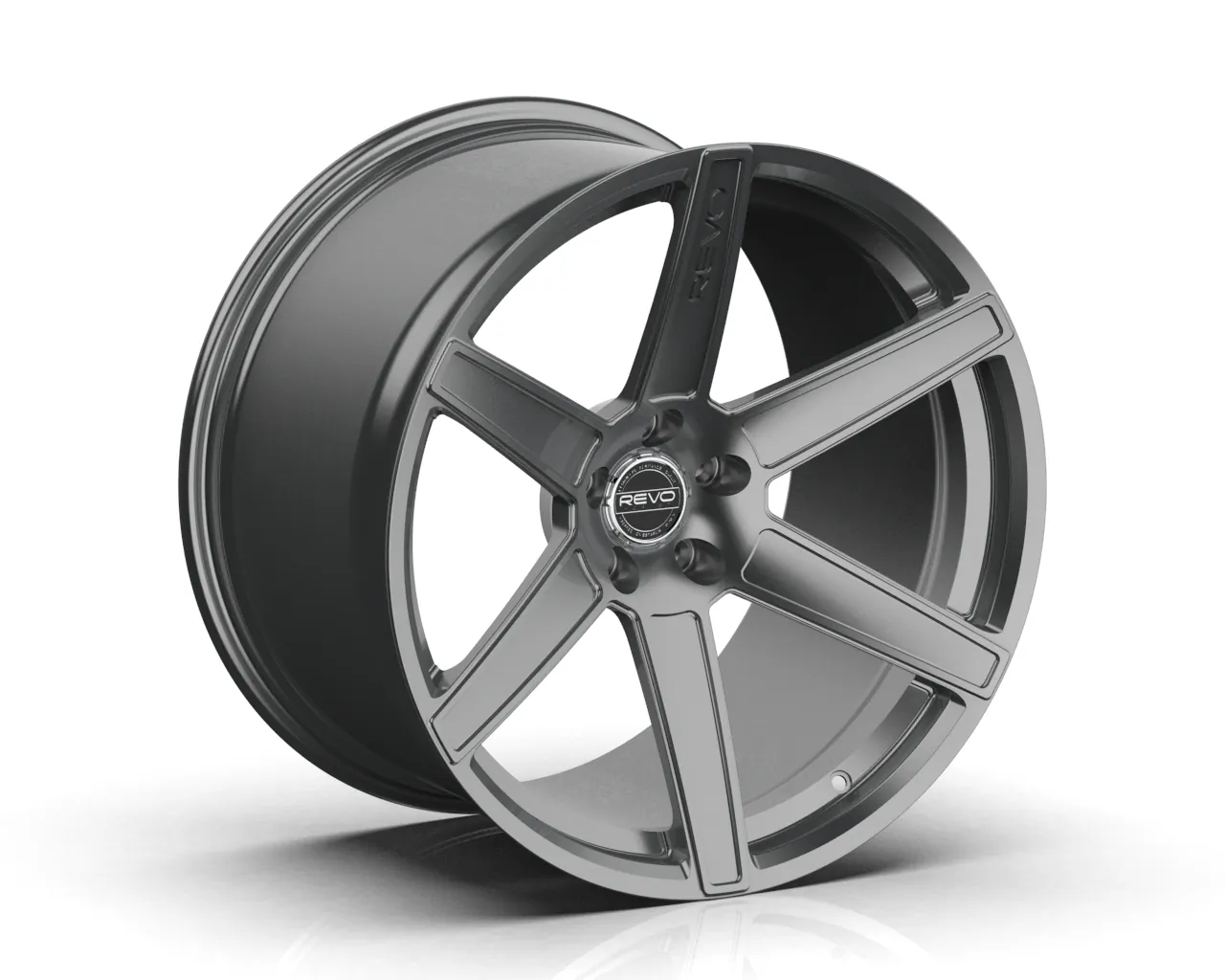
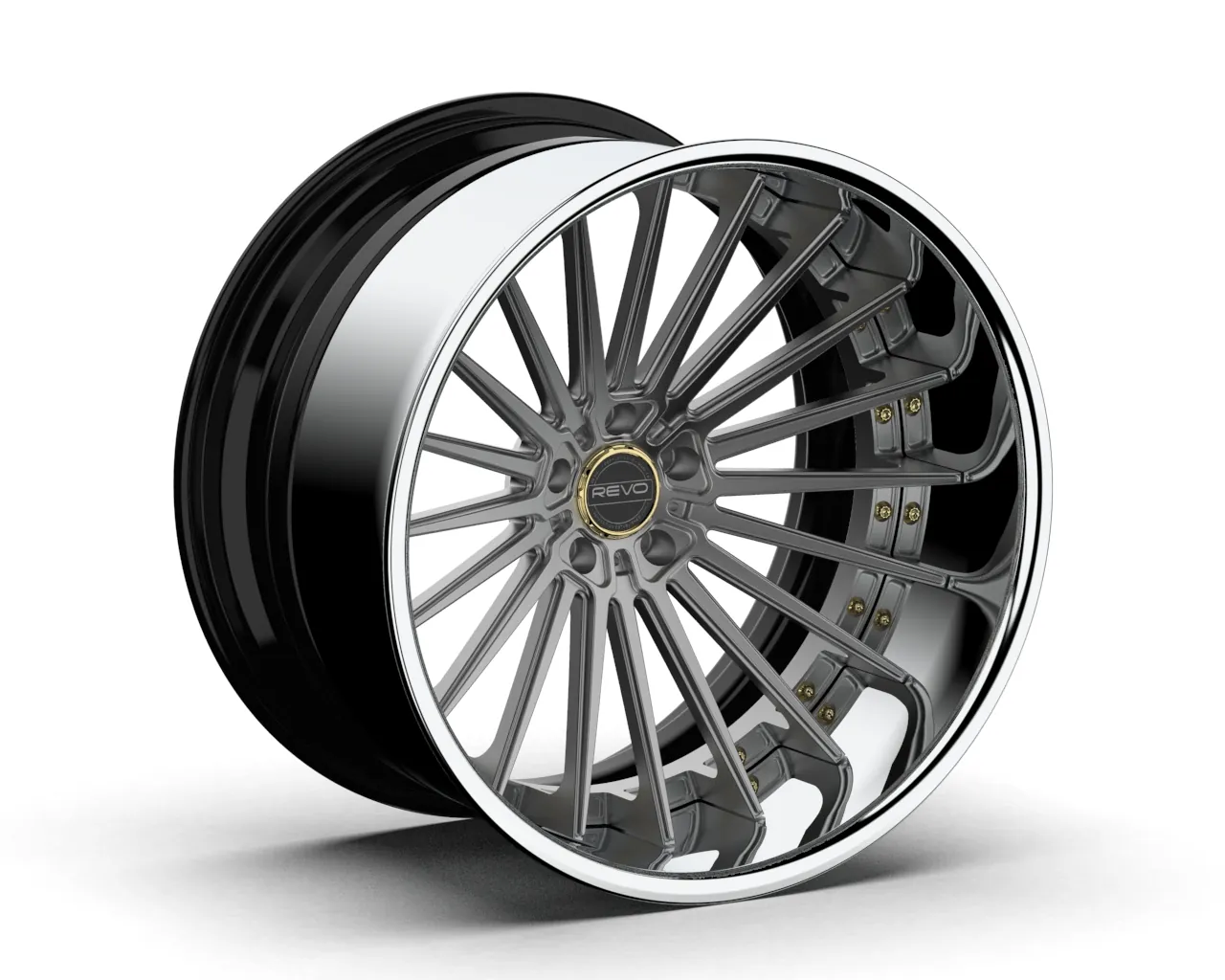
Tesla Model 3 forged wheels
Tesla Model 3 forged wheels.
Choose a REVO design, then shape the diameter, profile, fitment and finish around your Model 3, tire plan and the way you drive it.
Built for the car you drive
A Model 3 wheel package needs more than the right bolt pattern.
The Tesla Model 3 has a clean, tightly resolved shape. That makes wheel proportion matter. A design that looks right in isolation can feel too heavy, too tucked or too exposed once tire sidewall, ride height and the relationship to the fender are part of the picture. The finished set needs to work with the car’s lines, not simply fill the space beneath them.
REVO starts with the actual Model 3. The year and trim, current tire size, brake package, suspension changes and daily priorities all shape the conversation. From there, diameter, width, offset, profile, construction and finish become one connected specification. The result is a forged wheel set that belongs on your car rather than a generic package made to fit a broad range of vehicles.
Choose the right foundation
Construction should support the complete brief.
One-piece, two-piece and three-piece wheels each create a different path to the finished Model 3. The best choice comes from the look you want, the available fitment envelope and how the car will be used.
One-piece
A one-piece wheel is cut from a single forging. It can suit a Model 3 that needs a crisp, integrated performance look with a clear relationship between face, tire and brake package. The final profile still has to be selected around the actual vehicle and its hardware.
Two-piece
Two-piece construction pairs a forged center with separate barrel components. That provides more latitude to tune the face, step and finish relationship. It is a strong option when the Model 3 needs a more tailored expression without losing a focused, cohesive result.
Three-piece
Three-piece construction separates the center, inner and outer sections. That flexibility can help refine barrel and lip proportions for a highly specific stance or visual direction. The point is not more components, it is more control over the proportion the car needs.
The measurements work together
Every choice changes how the Model 3 reads.
Wheel diameter sets the visual scale of the car and changes the amount of tire sidewall in view. Width shapes the wheel-and-tire relationship. Offset positions the face within the available space. Profile controls the relationship between the center, the spokes and the brake package behind them. Each decision has a practical effect, and each one changes the picture from the curb.
The front and rear should be treated as a pair. A Model 3 can carry a clean square setup or a more rearward staggered look, but the faces still need to feel connected when viewed down the side of the vehicle. Tire proportions, sidewall height and the visual balance between the axles all belong in the same conversation.
Everyday use belongs there too. A Model 3 that handles commuting and long highway miles may have different priorities than a weekend-focused performance build. Tire direction, sidewall and wheel construction should support the experience you want once the initial visual impact gives way to real use.
Finish brings the specification together. Brushed metal, polished detail, painted surfaces and contrasting hardware all catch light differently. The strongest direction usually works with the paint, glass, trim and brake details already on the car. A saved reference image or a favorite REVO design makes that part of the conversation more specific from the start.
Frequently asked questions
Before you build your Model 3 set.
Can REVO build forged wheels for a Tesla Model 3?
Yes. REVO begins with the Model 3 itself, including its year, trim, tire direction, brake package, ride height and the way you want the car to look and drive. Those details guide the diameter, width, offset, profile and finish rather than relying on a generic fitment recommendation.
What details should I include for a Model 3 wheel quote?
Share the year and trim, current tire size, any suspension or brake changes, and whether the car is primarily a commuter, road-trip car, performance build or show-focused project. Photos of the car and a REVO design or reference image also give the fitment conversation a useful starting point.
Can forged wheels clear Model 3 brakes?
Brake clearance is confirmed as part of the specification. Caliper shape, rotor size, spoke profile and mounting details all affect the room behind the wheel face. Include any aftermarket brake hardware or clearance concern before the wheel is approved.
Should a Model 3 use a square or staggered wheel setup?
Either can suit the right Model 3 brief. A square setup can keep the front and rear relationship consistent, while a staggered setup can create more rearward visual weight when the tire plan, clearance and intended use support it. The vehicle, not a blanket rule, should decide the direction.
Will wheel and tire choices affect a Model 3?
They can. Tire size, sidewall, wheel weight and aerodynamic behavior all matter when range, daily comfort or driving feel are part of the brief. Sharing those priorities early helps REVO balance the parked view with how the car is used after the wheels are installed.
How long does a custom Model 3 wheel build take?
REVO estimates 10 to 12 weeks for standard finishes and 12 to 14 weeks for custom finishes, measured from agreement. The team can confirm the right timing once the specification and finish direction are settled.