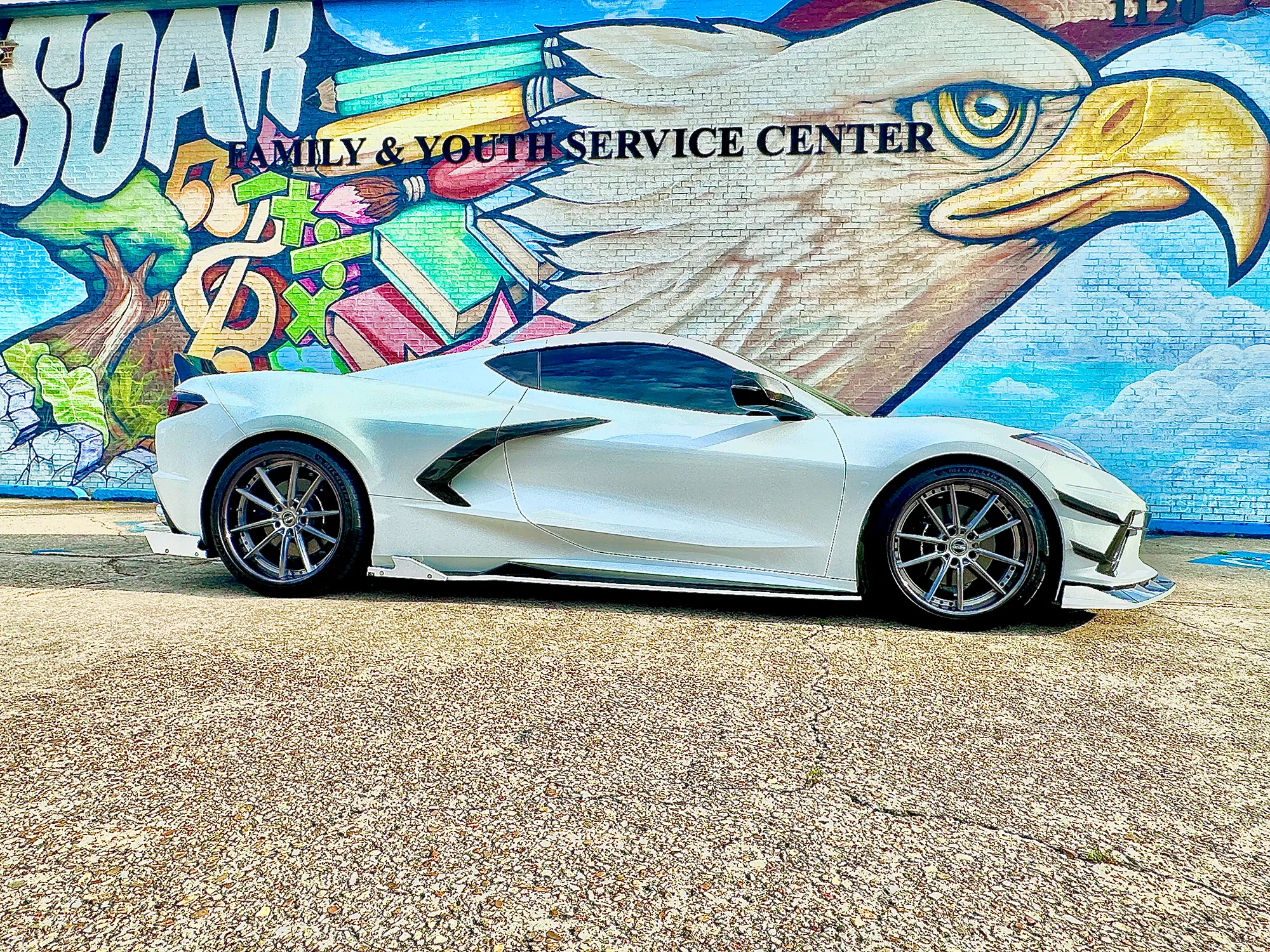
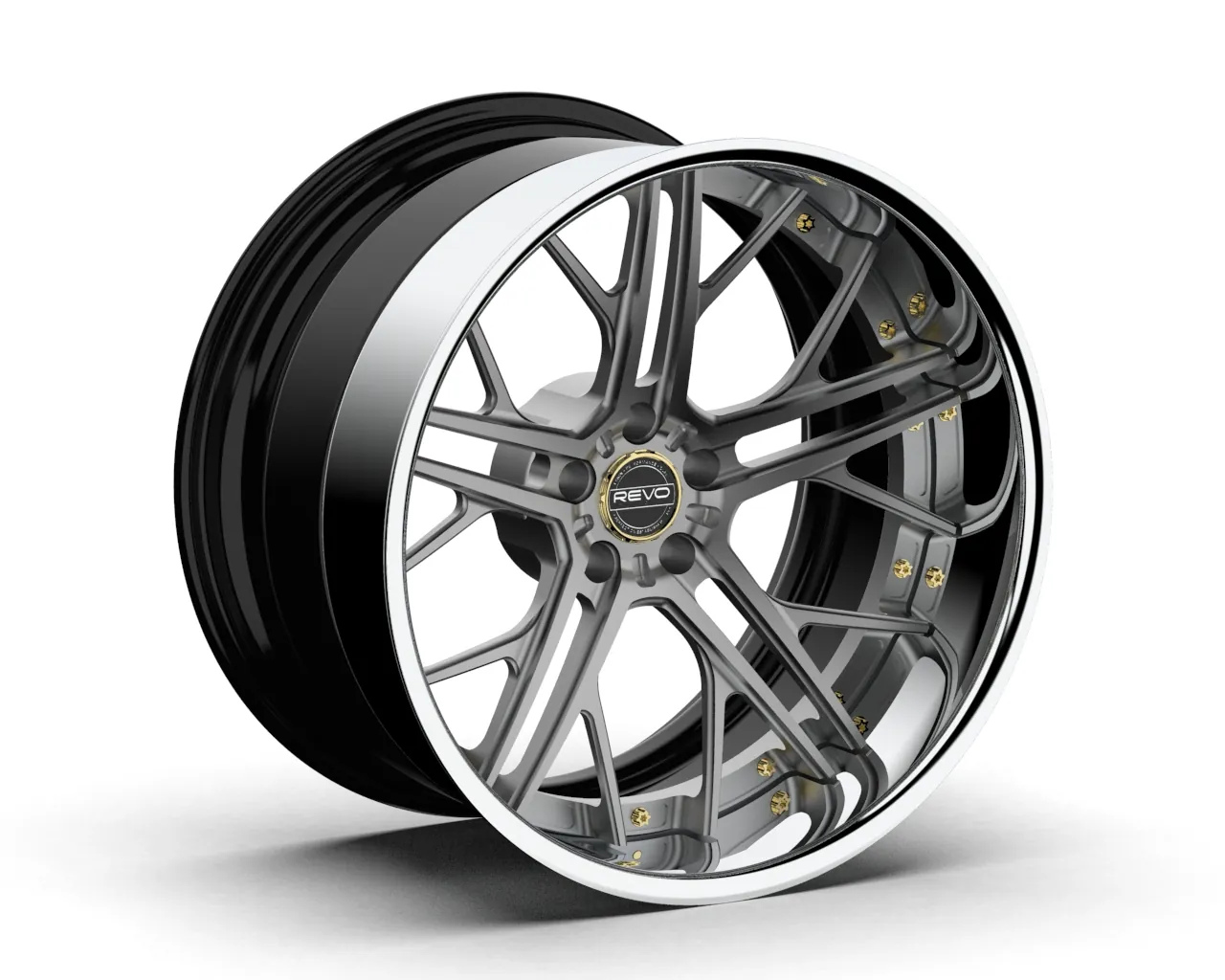
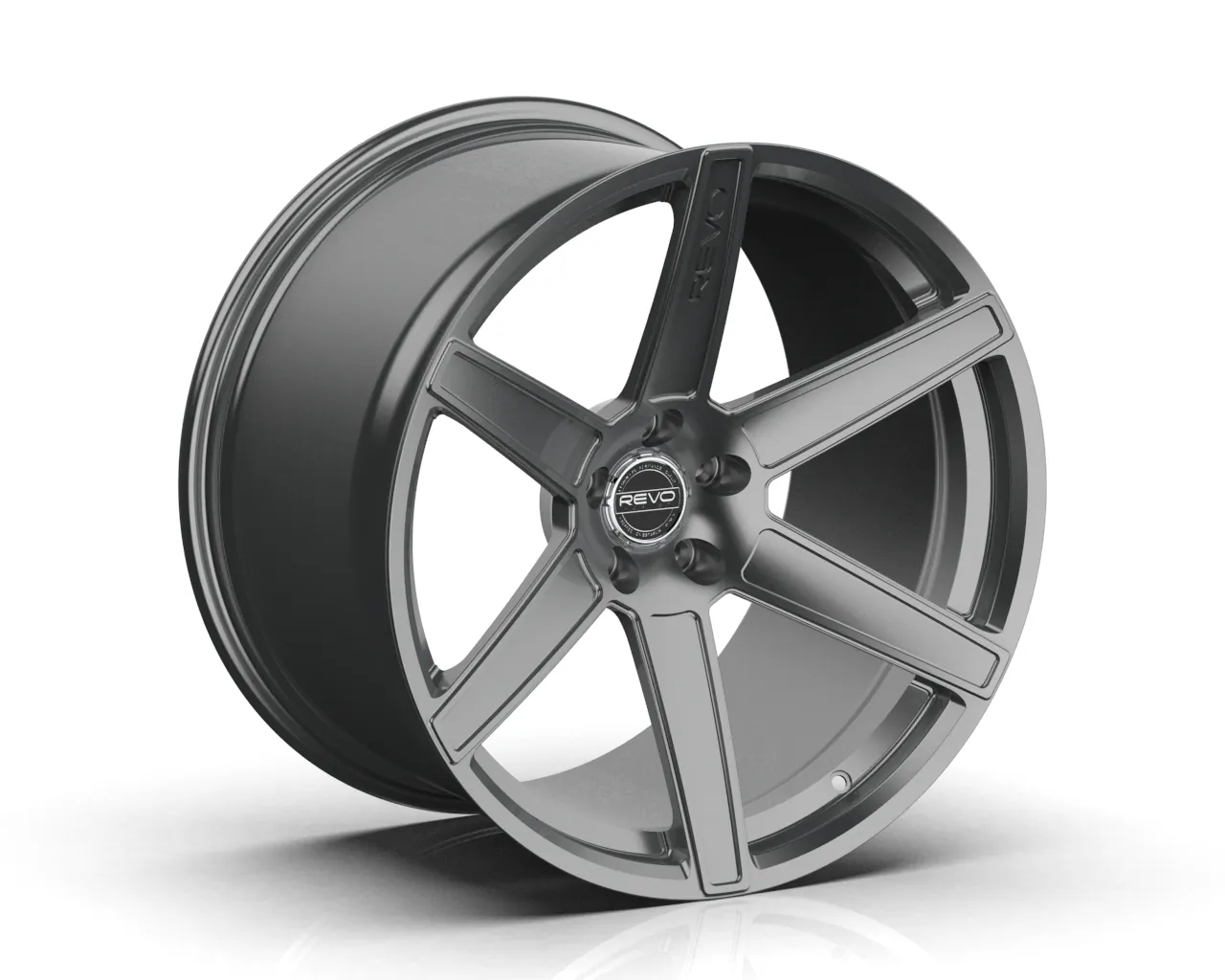
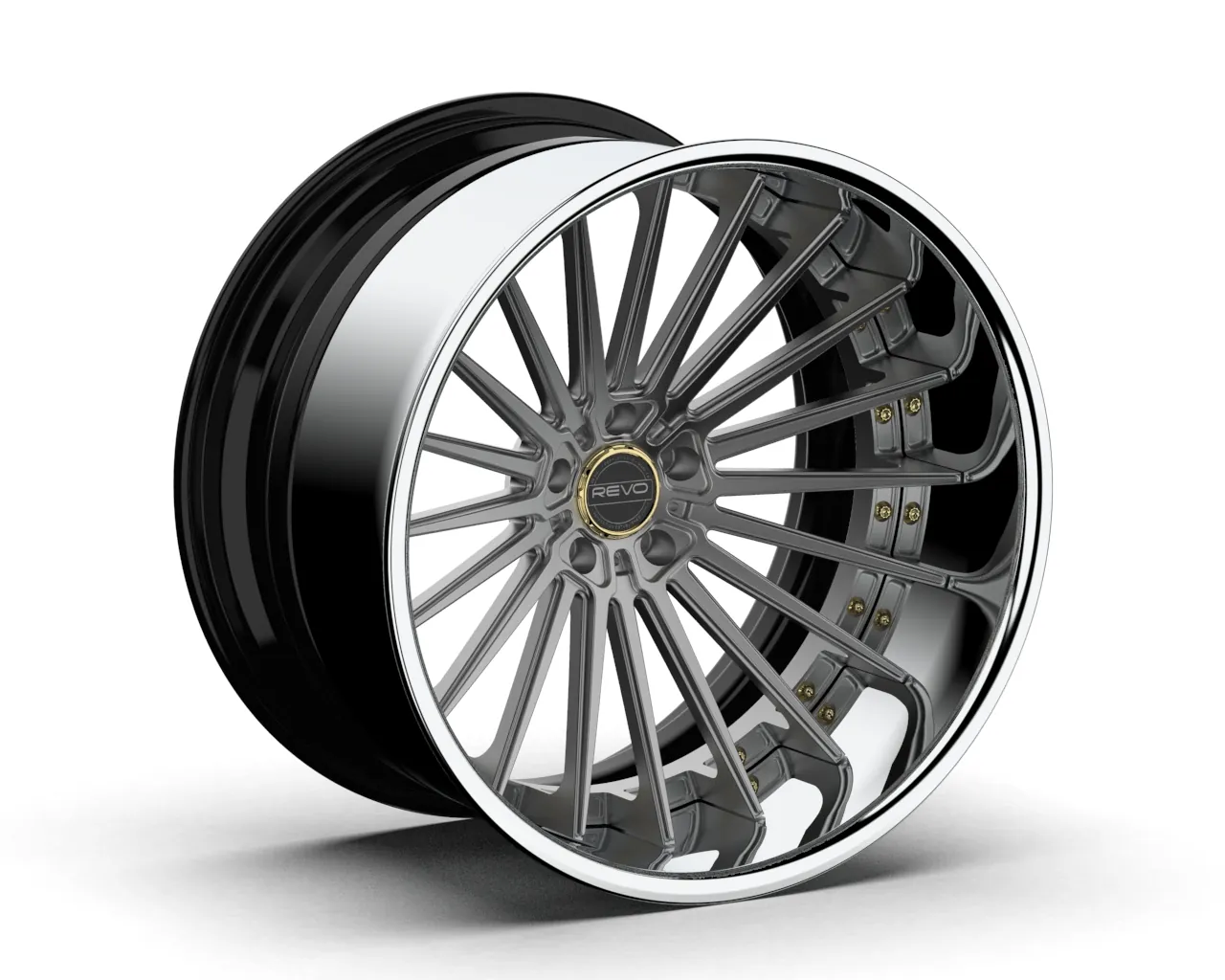
Porsche forged wheels
Porsche forged wheels built around your car.
Choose a REVO design, then shape the diameter, profile, fitment and finish around the Porsche you drive and the way you want it to feel.
A specific kind of balance
Build the wheel around the car, not a generic fitment.
A Porsche wheel package has to work with more than the bolt pattern. The body line, brake package, tire sidewall, suspension setup and intended use all influence what looks right and what feels right behind the wheel. A wheel that works on one car can sit too heavy, too timid or too compromised on another when those details are ignored.
REVO starts with the actual vehicle. Whether the goal is a clean street build, a lower and more aggressive stance, a period-conscious direction or a focused performance setup, the wheel is specified around the car in front of you. Diameter, width, offset, profile, construction, hardware and finish become one connected decision instead of a list of separate upgrades.
Choose the right foundation
Construction should support the way you drive.
The right wheel construction comes from the complete brief: the vehicle, the visual goal, the tire and brake plan, and how much freedom the finished proportions need.
One-piece
A one-piece wheel is cut from a single forging. It can be the right starting point for a Porsche build that calls for a direct, integrated form with clean lines and a focused performance character. The important detail is still the specification around the face: the right diameter, width, offset and profile for the car.
Two-piece
Two-piece construction combines a forged center with separate barrel components. That gives the wheel package more latitude to balance the face, step and finish relationship. It works well when the build needs a tailored visual direction without turning the wheel into an unrelated statement.
Three-piece
Three-piece construction separates the center, inner and outer sections. It can create more room to refine lip and barrel proportions when the stance, brake package or exterior treatment needs a highly specific solution. The finished set still needs to look native to the car, not simply more complicated.
The details shape the result
Every measurement changes how the car reads.
Wheel diameter changes the visual scale of the car and the amount of tire sidewall in the finished picture. Width shapes the relationship between the wheel and tire. Offset places the wheel face within the available space. Profile determines how the center sits relative to the brake package and fender. None of those decisions works in isolation.
Finish is just as connected to the result. A bright machined surface, a brushed treatment, a dark painted face or contrasting hardware can shift the character of the same design completely. A finish should work with the paint, trim, calipers and interior accents already present on the car, rather than compete with them.
The tire plan deserves the same attention as the wheel face. Tire sidewall, shoulder shape and the amount of stretch or protection at the rim all change the finished proportion. A direction that feels right on a stock-height street car can need a different approach once the car is lowered, fitted with a more aggressive alignment or set up for regular track use. Looking at the wheel and tire together keeps the final stance intentional instead of making the wheel look disconnected from the road.
Brake clearance is equally important to settle early. Factory hardware, larger calipers and aftermarket brake packages can each change the space available behind the spokes. The wheel needs enough clearance, but it should also keep the brake package in proportion with the face. A more open design can make the hardware part of the finished look. A denser design can create a different, more layered character. The right answer comes from the car and the brief, not from copying a dimension from another build.
That is why the best Porsche wheel package begins with a clear picture of the finished build. REVO can help turn a saved reference, a wheel design and a description of the desired stance into the details that make the set feel intentional from the first look to the first drive.
Frequently asked questions
Before you build your Porsche set.
Can REVO build forged wheels for my Porsche?
REVO builds custom forged wheels around the vehicle and the way it is used. Share the year, model, brake and suspension details, tire direction and the result you want, then the fitment conversation can move from a broad idea to a specific wheel package.
What should I include in a Porsche wheel quote request?
Start with the year, model and trim, then include any brake, suspension, body or tire changes. Photos of the vehicle, the wheel designs you like and a note on the intended use help REVO understand the build quickly.
Can a forged wheel clear larger Porsche brakes?
Brake clearance should be considered before the wheel is approved. The caliper shape, rotor size, wheel profile and mounting details all affect the available room. If you have an aftermarket brake package or a specific concern, include it with the quote request and use REVO’s brake and hub template where appropriate.
Should I choose one-piece or multi-piece wheels for a Porsche?
The right construction depends on the vehicle, the stance you want and the visual direction of the build. One-piece wheels can suit a clean, integrated performance look. Two-piece and three-piece construction can create more room to tune lip, barrel and face proportions when the brief calls for a more specific result.
How long does a custom REVO wheel build take?
REVO estimates 10 to 12 weeks for standard finishes and 12 to 14 weeks for custom finishes, measured from agreement. The team can confirm the appropriate timing after the specification and finish direction are settled.